
Introduction
Accessibility in public transport is a fundamental aspect of urban mobility, ensuring that all individuals, regardless of their abilities, have equal opportunities to navigate and engage with their cities. Public transport systems, including buses, trains, subways, trams, and other forms of mass transit, are crucial for connecting people to jobs, education, healthcare, and social activities. For individuals with disabilities, these transport systems are not merely a convenience but a necessity for participating fully in society.
For decades, people with disabilities faced significant barriers when it came to using public transport. Inaccessible stations, lack of ramps, narrow doorways, and inadequate signage were just a few of the obstacles that hindered their ability to travel independently. While progress has been made in many parts of the world, millions of people with disabilities still face substantial challenges. These obstacles limit their independence, restrict their access to vital services, and exacerbate social isolation.
Making public transport systems inclusive is not just a matter of convenience but a matter of equality and human rights. According to the United Nations Convention on the Rights of Persons with Disabilities (CRPD), individuals with disabilities must have access to the same public services as others, including transport. Ensuring that transportation systems are accessible helps to create a more inclusive society, where everyone can contribute to and benefit from economic, educational, and social opportunities.
The global importance of this issue cannot be overstated. With an estimated 1 billion people living with disabilities worldwide, or about 15% of the global population, the need for accessible transport has never been more pressing. The World Health Organization (WHO) and other international bodies have called for the transformation of public transport systems to be inclusive and equitable for all.
Background and Statistics
The Need for Inclusive Transport
Access to public transportation is a fundamental part of ensuring equal rights and opportunities for all members of society. For people with disabilities, public transportation systems are not merely a convenience; they are critical for independence, social participation, employment, education, and general well-being. However, historically, people with disabilities have faced significant barriers when it comes to using public transport, limiting their ability to engage in everyday activities.
Historical Challenges
The challenges faced by people with disabilities in accessing public transportation can be traced back to the early 20th century, when many public transportation systems were built without considering the needs of individuals with physical, sensory, or cognitive impairments. These systems often lacked the basic infrastructure required to accommodate people with disabilities, such as wheelchair ramps, accessible seating, and proper signage.
In many cities, transportation infrastructure was designed primarily for able-bodied individuals, with little thought given to the diversity of users who might need additional support. This resulted in several barriers:
- Physical Barriers: The absence of elevators, ramps, or low-floor buses meant that people with mobility impairments or those who use wheelchairs were unable to use public transportation at all.
- Communication Barriers: For people with sensory impairments, the lack of visual or auditory cues meant that navigating public transport systems was difficult or even dangerous.
- Social Barriers: Negative attitudes, lack of training for public transport staff, and a general lack of awareness about disability-related needs often resulted in discrimination or neglect.
These historical challenges created a deep sense of exclusion and dependency for people with disabilities, reinforcing social and economic marginalization.
Legal Frameworks and International Conventions
Over the last few decades, there have been significant efforts to address these historical challenges, both legally and through public policy. Two key frameworks have played a pivotal role in shaping the development of inclusive public transportation systems:
- The UN Convention on the Rights of Persons with Disabilities (CRPD):
- Adopted in 2006, the CRPD is an international human rights treaty that mandates equal access to public services for people with disabilities. Article 9 of the CRPD specifically addresses the need for accessibility in transportation systems. It requires state parties to ensure that public transportation is accessible and usable by people with disabilities, and that transportation infrastructure is designed and maintained in a way that eliminates physical and communication barriers.
- The CRPD has helped raise awareness worldwide about the importance of accessible transportation and has set a clear global standard for what is required to ensure inclusivity.
- The Americans with Disabilities Act (ADA) in the United States:
- The ADA, passed in 1990, is a landmark law that prohibits discrimination against people with disabilities and requires that public services, including transportation, be accessible to all individuals.
- Title II of the ADA mandates that state and local governments make public transportation services, facilities, and vehicles accessible to people with disabilities. It has spurred significant improvements in transportation accessibility across the U.S., including accessible buses, paratransit services, and accessible train stations.
These legal frameworks have been critical in driving the development of accessible transportation and have provided a foundation for policy reforms across many countries. They have also served as a model for other nations, encouraging the integration of accessibility into urban planning and infrastructure development.
Statistics on People with Disabilities and Their Transportation Challenges
Globally, an estimated 15% of the world’s population—about 1 billion people—live with some form of disability. The World Health Organization (WHO) has reported that the prevalence of disability is rising due to factors like aging populations and improved healthcare that helps people survive diseases and accidents that may result in long-term impairments.
In terms of transport accessibility:
- Mobility impairments: The most common disability-related transport challenge. For instance, about 1 in 7 people in the U.S. has a disability that impacts their mobility. This includes conditions like arthritis, spinal injuries, and neurological disorders, making accessible public transport crucial for these individuals.
- Sensory impairments: Around 285 million people globally are visually impaired, and more than 466 million have disabling hearing loss. These individuals often face challenges in navigating public transport systems that rely heavily on visual or auditory cues.
- Cognitive impairments: The number of people with cognitive disabilities, such as autism spectrum disorder or intellectual disabilities, continues to rise. For these individuals, straightforward, predictable, and easily navigable transportation systems are essential.
Without accessible transport systems, these individuals face exclusion from many aspects of daily life, including employment, education, healthcare, and social interaction, contributing to a cycle of poverty and marginalization.
Current Landscape
The global state of accessibility in public transportation systems has improved significantly in recent years, thanks to the efforts of governments, advocacy organizations, and international bodies. However, the landscape is still mixed, with significant differences between countries, cities, and regions.
Overview of Current Public Transport Systems’ State of Accessibility
While many countries have taken steps toward improving the accessibility of their public transportation systems, gaps remain, especially in older infrastructure and rural areas. Key features of accessible public transport systems include:
- Accessible vehicles: Buses, trains, and trams with low floors, wide doors, and space for wheelchairs and mobility aids.
- Platforms and stations: Elevators, ramps, and tactile paving for visually impaired individuals. Clear, easy-to-read signage and audio-visual announcements.
- Information and communication: Digital platforms, websites, and mobile apps that provide real-time information on accessible routes, stops, and services.
In general, cities in developed countries tend to have better accessibility features than those in developing countries, though there are notable exceptions.
Cities Leading in Inclusive Transport
Several cities around the world have set benchmarks in inclusive public transport design, showing what is possible when accessibility is prioritized:
- London: London is widely regarded as one of the leading cities for accessible public transport. The city’s “Accessibility Plan” has focused on upgrading buses, trains, and stations to accommodate people with mobility impairments, ensuring easy access to all forms of public transport. Over 80% of the London Underground’s stations are now step-free, with additional work planned.
- Copenhagen: Known for its sustainability and innovation, Copenhagen has made significant strides in ensuring its public transport system is fully accessible. The city has implemented low-floor buses, elevators in all metro stations, and real-time information systems for disabled passengers. Copenhagen’s model focuses on creating a transport ecosystem that integrates accessible design into everyday operations.
- Tokyo: Tokyo’s public transport system is another success story, with features like accessible buses, subways, and the use of cutting-edge technology to help people with disabilities navigate the city’s sprawling metro system.
Challenges Faced by Various Regions
While some regions have made remarkable progress, significant challenges remain in many parts of the world.
- Urban vs. Rural:
- In urban areas, especially in developed countries, there is often better access to modern, accessible transport infrastructure. However, even in cities, older buildings, trains, and buses can be difficult to retrofit.
- Rural areas face significant accessibility challenges, with fewer public transport options and more limited resources for upgrading existing systems. The low population density and long distances between destinations make it difficult to justify the high cost of implementing accessibility measures in rural regions.
- Developed vs. Developing Countries:
- In developed countries, the issue of accessibility is often about improving existing infrastructure to meet current needs. While countries like the United States, Canada, and many European nations have made great strides in making transport more inclusive, challenges remain in urban sprawl, aging infrastructure, and ongoing funding.
- Developing countries often face more basic challenges, such as a lack of reliable public transport, insufficient funds to upgrade infrastructure, and little regulatory pressure to implement accessibility standards. In cities across Africa, Asia, and Latin America, public transportation systems often lack basic accommodations like ramps or accessible seating.
Types of Disabilities and Their Needs
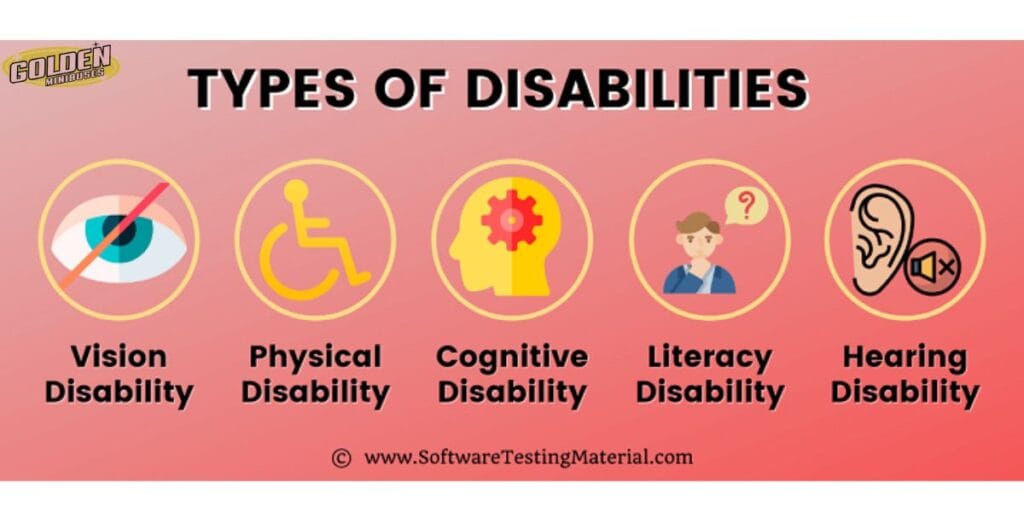
Public transportation systems must be inclusive to meet the diverse needs of people with various types of disabilities. The design of accessible transport infrastructure requires consideration of the different ways in which people experience disabilities, from physical impairments to sensory, cognitive, and invisible disabilities. Below is a detailed exploration of the needs of people with different types of disabilities and the specific design elements required to ensure accessibility.
Physical Disabilities
People with physical disabilities often face significant barriers when using public transportation. These disabilities include conditions that affect mobility, such as paralysis, muscular dystrophy, arthritis, or injuries to the legs or spine. Common needs for this group include:
Wheelchair Users
Wheelchair users, or people who rely on mobility aids like walkers, crutches, or scooters, require specific adjustments to public transport systems to ensure they can travel independently and safely.
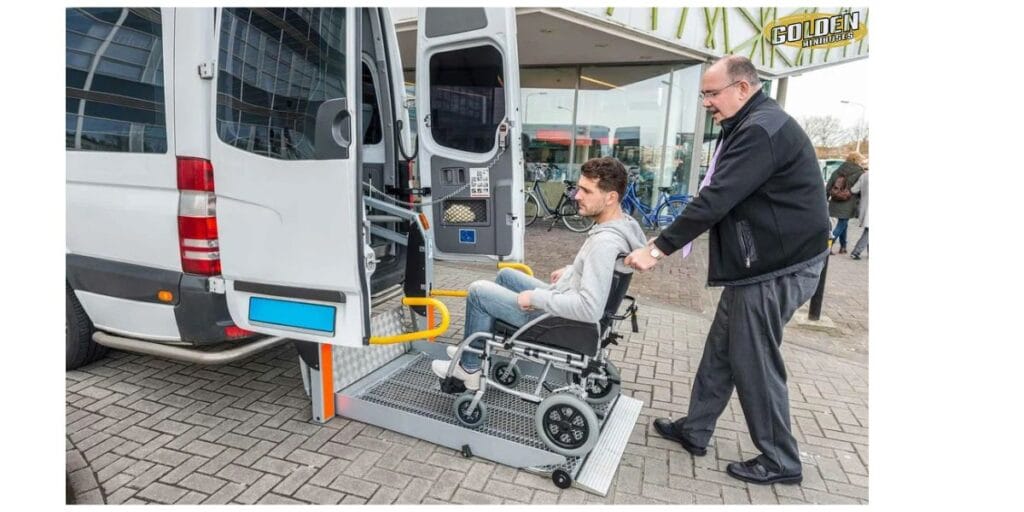
- Accessible Entrances: Buses, trains, and trams must have low floors or ramps to allow easy boarding and disembarking. Buses with elevated entrances or train stations with stairs create barriers for wheelchair users. Many modern buses and trains are equipped with automatic ramps, while low-floor buses allow individuals to roll directly onto the vehicle.
- Wide Doors and Space: Vehicles and stations must feature wide doors and ample space inside to accommodate wheelchairs, mobility scooters, and other assistive devices. Clear pathways should be provided to ensure individuals can easily navigate the vehicle or station.
- Elevators and Ramps: Elevators and ramps are essential for people who use wheelchairs or have limited mobility. These features ensure that passengers can access elevated platforms or multi-level stations. The ramps must be wide enough to accommodate all types of mobility aids and should have non-slip surfaces for safety.
People with Limited Mobility
Individuals with limited mobility may not use wheelchairs but may have difficulty walking long distances, standing for extended periods, or climbing stairs.
- Priority Seating: Public transportation should include designated priority seating for individuals with limited mobility, located near the doors and easy to access.
- Non-slip Flooring: Non-slip surfaces help prevent accidents and provide greater stability for people who have difficulty walking or standing.
- Accessible Timetables: Stations should have accessible timetables in places where individuals with limited mobility can easily view them. Timetables should be located in areas with seating and shade so that people who need to rest can do so while waiting.
These changes ensure that individuals with physical disabilities or limited mobility can travel independently, reducing the reliance on assistance and providing equal access to transportation.
Sensory Disabilities
Sensory disabilities involve impairments related to the senses—primarily sight and hearing—that can make navigating public transportation difficult. People with visual or auditory impairments require thoughtful design considerations to ensure they can use public transport systems independently.
Visual Impairments
Visual impairments range from mild vision loss to complete blindness. People with visual impairments require specific design features to navigate public transport safely.
- Braille Signage: Braille signage should be provided on doors, stop indicators, and emergency exits to assist individuals with blindness or severe vision impairment. Stations and vehicles should also have tactile maps that help passengers orient themselves.
- Tactile Paving: Tactile paving helps people who are blind or have low vision navigate safely around transport stations, bus stops, and platforms. Raised surfaces provide tactile feedback that indicates the presence of obstacles, stairs, or edges.
- Contrasting Colors: High-contrast colors for signs and markings are essential for people with low vision. For example, the use of dark text on a light background helps individuals with partial vision to read better.
- Audio Announcements: Audio cues are vital for people with visual impairments to know when they are approaching their destination or which stop is next. Clear, consistent announcements should be provided in buses, trains, and subway systems.
Auditory Impairments
Hearing impairments can range from mild hearing loss to complete deafness. People with auditory impairments rely on visual or tactile cues to navigate public transport systems.
- Visual Cues: Visual cues such as flashing lights, LED displays, and video screens can help individuals who are deaf or hard of hearing understand important information, such as upcoming stops or delays. For example, a flashing light could accompany an auditory signal to announce an approaching stop.
- Captioning and Subtitles: Audio announcements on vehicles and in stations should be accompanied by captions or subtitles on digital screens. This helps passengers who are deaf or hard of hearing understand critical information about stops, delays, or service disruptions.
- Induction Loops and Assistive Listening Devices: Induction loops (magnetic hearing loops) or other assistive listening technologies in stations or on vehicles can help individuals with hearing aids or cochlear implants hear announcements more clearly.
By addressing these needs, transportation providers can create systems that are more accessible to individuals with hearing and visual impairments, ensuring that they can travel independently and safely.
Cognitive and Neurological Disabilities
Cognitive and neurological disabilities affect a person’s ability to process information, communicate, and navigate their environment. These disabilities include conditions such as autism spectrum disorder (ASD), intellectual disabilities, and brain injuries. Accessible public transport systems need to consider the unique needs of individuals with cognitive impairments.
Needs of People with Autism
People with autism spectrum disorder may experience challenges with social interaction, sensory overload, and navigating complex environments.
- Clear and Simple Signage: People with autism may benefit from clear, simple, and consistent signage that is easy to read and understand. Avoiding complicated language and providing symbols or images along with text can make it easier for individuals to comprehend important information.
- Predictable and Structured Environments: People with autism often prefer predictable and routine environments. Transport systems should be organized to reduce confusion. For example, using the same layouts for stations and vehicles and providing clear routes can help reduce stress for passengers with autism.
- Calming Spaces: Designing quiet zones or providing spaces for sensory breaks can be beneficial, especially during high-traffic hours when the environment may be overwhelming. These spaces can include soft seating, noise reduction, and calming colors.
Needs of People with Intellectual and Cognitive Impairments
People with intellectual disabilities or cognitive impairments may have difficulty processing complex information, navigating unfamiliar environments, or understanding schedules and announcements.
- Easy-to-Understand Announcements: Information should be presented in simple language, using short sentences and easy-to-understand words. Complex schedules or announcements can be overwhelming, so clear and concise messaging is crucial.
- Clear Route Signage: Stations should have clear route signs, with color-coded pathways and recognizable symbols, to help individuals navigate the space. Information should be available both on physical signs and digital platforms.
- Staff Training: Staff should be trained to provide assistance as needed, ensuring that those with cognitive disabilities feel supported during their travel.
These changes help individuals with autism, cognitive impairments, and other neurological disabilities navigate the transport system with greater ease and confidence.
Invisible Disabilities
Invisible disabilities are conditions that are not immediately apparent but can significantly affect a person’s ability to engage with public transport. These disabilities include chronic illnesses (such as multiple sclerosis or fibromyalgia), mental health conditions (like anxiety or depression), and other less-visible conditions.
Chronic Illnesses and Mobility Impairments
People with chronic illnesses or conditions that affect mobility, energy levels, or stamina often struggle with the physical demands of public transportation.
- Priority Seating and Rest Areas: Priority seating should be available for individuals who may not require mobility aids but still need to sit due to fatigue or pain. Additionally, rest areas at stations can provide an opportunity for individuals to take breaks during long journeys.
- Comfortable and Stable Environments: Design systems that minimize physical strain, such as smooth boarding areas, comfortable seats, and well-maintained vehicles that reduce the risk of exacerbating symptoms of chronic illnesses.
Mental Health Conditions
For people with mental health conditions such as anxiety, PTSD, or depression, navigating busy public transport systems can be overwhelming. Some individuals may experience heightened stress or panic attacks in crowded or noisy environments.
- Quiet Spaces: Designated quiet zones where passengers can experience a calm, low-stimulation environment can help individuals with mental health conditions feel more comfortable.
- Clear and Predictable Information: Reducing uncertainty in transportation by offering clear, frequent updates and predictable schedules can help alleviate stress for people with anxiety or other mental health conditions.
Ensuring Comfort and Accommodations
Invisible disabilities often require accommodations that focus on comfort and support, rather than specialized equipment. This includes providing features like quiet areas, comfortable seating, and flexible policies that allow for the extra time needed by some individuals to board or disembark.
By acknowledging and accommodating invisible disabilities, transport systems can become more inclusive for individuals whose conditions may not be immediately apparent but who still require accessible options.
Conclusion
Creating truly accessible public transportation systems involves addressing the diverse needs of people with various types of disabilities. This requires a commitment to inclusive design, whether through physical infrastructure, sensory accommodations, or support for cognitive and invisible disabilities. By implementing these thoughtful changes, transport systems can ensure that people of all abilities have equal access to the mobility and opportunities they need to thrive.
Key Principles of Inclusive Transport
Inclusive transport systems are designed to meet the needs of all individuals, regardless of their abilities. The goal is to provide equitable access to public transportation for everyone, including people with physical, sensory, cognitive, and invisible disabilities. The key principles of inclusive transport revolve around universal design, accessibility features, affordability and availability, and the recognition of mobility as a human right. These principles ensure that transportation systems empower individuals to participate fully in social, economic, and cultural life.
Universal Design
Definition and Principles of Universal Design
Universal design refers to the concept of creating products, environments, and systems that are usable by all people, to the greatest extent possible, without the need for adaptation or specialized design. In the context of public transport, universal design emphasizes creating transportation systems that accommodate the widest range of people, including those with disabilities, the elderly, children, and individuals without impairments.
The principles of universal design in transportation aim to remove physical, sensory, and cognitive barriers that hinder access to transport services. These principles are grounded in inclusivity, flexibility, simplicity, and ease of use. The goal is to create an environment where everyone—regardless of their abilities or disabilities—can move through the transport system independently and comfortably.
Key Principles of Universal Design in Public Transport:
- Equitable Use: The transport system should be accessible to people with a range of abilities, ensuring that all individuals, regardless of their physical or sensory needs, can use it effectively.
- Flexibility in Use: The design should accommodate a wide variety of needs and preferences. For instance, buses and trains should have seating options for people with different mobility needs (e.g., priority seating for elderly passengers and accessible seating for wheelchair users).
- Simple and Intuitive Use: Public transport systems should be easy to navigate and understand. The design should avoid complexity, making it clear for all users, including those with cognitive or language barriers.
- Perceptible Information: Information should be provided in multiple formats—audio, visual, and tactile—so that everyone can access it, including people with visual and auditory impairments.
- Tolerance for Error: The design should minimize the risk of accidents or confusion. For example, stations should be well-lit, signage should be clear, and ramps should have safety features that prevent falls or accidents.
- Low Physical Effort: The transport system should be easy to use, requiring minimal physical effort. For example, automatic doors, low-floor buses, and elevators reduce the need for strenuous effort when boarding or exiting public transportation.
Universal design ensures that transportation systems are inherently accessible, removing the need for retrofitting or separate accommodations, and making public transport a truly inclusive experience for everyone.
Accessibility Features
Accessibility features are the core elements that enable people with various disabilities to use public transport independently and safely. These features can be found in the infrastructure of transport systems as well as in the services offered to passengers.
Infrastructure Features
- Ramps: Ramps provide essential access for people with mobility impairments, including wheelchair users, people with walkers, and parents with strollers. Ramps should be wide enough to accommodate all types of mobility aids and should have a non-slip surface for safety.
- Elevators: Elevators are crucial for accessing multi-level stations, platforms, or buses. These should be easy to locate, well-maintained, and equipped with accessibility features such as braille buttons and audible cues.
- Wider Doors: Doors on buses, trains, and stations should be wider than standard sizes to allow easy access for wheelchair users, those with strollers, or people using mobility aids. Wider doors also help avoid overcrowding during boarding and disembarking.
- Priority Seating: Priority seating should be designated for elderly passengers, people with disabilities, and others who require assistance. These seats should be located near the entrance to allow easy access and should be clearly marked with signage that indicates their intended use.
- Low-Floor Buses and Trains: Low-floor buses, trams, and trains eliminate the need for steps to board, making them more accessible to people with mobility impairments. These vehicles allow passengers to step directly onto the transport without the need for ramps or lifts.
Service Features
- Audio-Visual Announcements: These announcements provide critical information about upcoming stops, delays, and other essential details. For passengers with visual impairments, audio announcements are invaluable, while those with hearing impairments benefit from visual cues on screens or displays. Both types of announcements should be clear, timely, and easy to understand.
- Clear Signage: Signage throughout the transport system should be easy to read, with large text, high contrast, and visual symbols. This helps individuals with visual impairments, cognitive disabilities, or limited literacy understand the information being presented.
- Staff Training: Well-trained staff are essential to providing support to passengers with disabilities. Transport employees should be knowledgeable about how to assist individuals with mobility challenges, how to use accessibility features (e.g., ramps, elevators), and how to provide assistance in emergencies.
- Help Desks and Assistance Services: Stations should have help desks or assistance services where passengers can ask for help, find information, or arrange for additional support during their journey. In larger stations, trained personnel should be available to guide passengers with specific needs, such as those requiring mobility assistance or information about routes.
By integrating accessibility features in both the infrastructure and services of public transport systems, we can create an environment that ensures everyone can travel independently, safely, and comfortably.
Affordability and Availability
An inclusive transport system not only needs to be accessible but also affordable and widely available to all individuals, including those with disabilities. Ensuring that public transport is financially accessible to people with disabilities is essential for achieving social inclusion and equality.
ffordabilityA
- Discounted or Free Fares: Many countries and cities offer discounted or free fares for people with disabilities to reduce financial barriers to transport. These discounts should be accessible to everyone, regardless of their specific disability or income level, to ensure that transportation remains an option for all.
- Flexible Payment Systems: Payment systems should be accessible, offering options such as contactless payments, mobile apps, and prepaid cards, which can make it easier for individuals with disabilities to pay for their journeys. Payment systems should also be designed to minimize physical effort for users, such as automated ticketing machines at stations that include accessible features.
- Financial Support for Disabled Passengers: Governments and local authorities should consider offering financial support or subsidies for people with disabilities to make transport even more affordable. This can be particularly beneficial for individuals with chronic disabilities or conditions that prevent them from working, ensuring they still have access to public transportation.
Availability
- Wide Coverage: An inclusive transport system must be available to people with disabilities wherever they live. This includes urban, suburban, and rural areas. Public transport should be available to all communities, including those who might otherwise lack access due to geographic isolation or limited service coverage.
- Frequent Service: For individuals who rely on public transport to get to work, healthcare, or other essential services, transportation should be frequent, with well-maintained schedules that accommodate diverse needs. This is particularly important for people with disabilities who may have additional time requirements or need to avoid crowded transport.
- Interconnected Networks: Public transport systems should be well-integrated, making it easier for passengers to transfer between modes of transportation (e.g., buses, trains, trams) without unnecessary delays or barriers. This allows individuals with disabilities to plan their journeys more easily and with confidence.
Ensuring both the affordability and availability of public transport helps to create a more equitable and inclusive society where people with disabilities can fully participate in social, economic, and cultural activities.
Mobility as a Human Right
The concept of mobility as a human right is central to the argument for inclusive public transport systems. Transportation is a vital component of modern society that enables individuals to engage in social, economic, and cultural life. Without accessible transport, people with disabilities are often isolated, unable to access essential services, education, employment, or social activities.
Transport as an Enabler of Social Inclusion
Accessible public transport enables people with disabilities to participate in society on equal terms with others. Without it, they face barriers that hinder their ability to access work, healthcare, education, and leisure activities, leading to social exclusion. Public transport provides an essential means of fostering independence and connecting individuals with their communities.
Economic Participation
Transportation is also crucial for economic participation. People with disabilities often face additional costs associated with transportation, such as the need for specialized vehicles or paratransit services. Ensuring that public transport is inclusive allows people with disabilities to contribute to the workforce, access training opportunities, and engage in economic activities that improve their quality of life.
Legal and Ethical Considerations
International frameworks like the UN Convention on the Rights of Persons with Disabilities (CRPD) reinforce the idea that transport is a human right. The CRPD requires signatory countries to ensure that transportation systems are accessible and inclusive, making it clear that people with disabilities must be able to access public transport on an equal basis with others.
Conclusion
The principles of inclusive transport revolve around the recognition of mobility as a human right and the implementation of universal design, accessibility features, and affordable, available services. By embedding these principles in the design and operation of public transport systems, we can create transportation networks that serve everyone, regardless of their abilities or needs, fostering a more equitable and inclusive society.
Challenges to Inclusive Public Transport
While progress has been made toward making public transportation more accessible, several barriers continue to hinder the full inclusion of people with disabilities. These barriers are not only physical but also social, economic, and regulatory in nature. To create truly inclusive public transport systems, it is essential to address these challenges comprehensively. Below are the primary challenges to inclusive public transport:
1. Infrastructure Barriers
The physical infrastructure of public transportation is one of the most significant barriers to accessibility. Many cities have transportation systems built long before modern accessibility standards were established, and retrofitting these systems to meet current needs can be a complex and expensive task.
Inaccessible Stations
In many cities, older train and subway stations were not designed with accessibility in mind. These stations may lack elevators, ramps, or wide doors, making it difficult or impossible for people with mobility impairments or those using wheelchairs or scooters to enter or exit the station. Additionally, some stations have uneven or poorly marked flooring, which can create safety hazards for people with visual impairments.
- Elevators and Ramps: While newer stations may have elevators or ramps, older stations often lack these essential features. Even in places where elevators or ramps are present, they may not always be well-maintained or accessible. For example, elevators may be broken or out of service for long periods, leaving people with mobility impairments stranded.
Outdated Vehicles
Many public transport systems continue to use vehicles that were manufactured before accessibility standards were implemented. Buses, trains, and trams that have high steps, narrow doorways, or insufficient space for mobility aids can be especially difficult for people with disabilities to use.
- Bus and Train Accessibility: Outdated buses may have steps that make boarding challenging for people with limited mobility or those who use wheelchairs. While low-floor buses are more common in newer fleets, older buses often still use high floors that create significant barriers for people with disabilities.
- Lack of Space for Mobility Aids: Even in vehicles that are designed to be more accessible, the space allocated for mobility aids such as wheelchairs, scooters, and walkers is sometimes inadequate. In some cases, vehicles may not have secure spaces for wheelchairs, increasing the risk of injury or discomfort during travel.
Lack of Maintenance
Poor maintenance of existing accessible infrastructure can further limit accessibility. Even if a station or vehicle was initially designed to be accessible, neglecting regular maintenance—such as ensuring ramps are functioning, elevators are operational, and signage is clearly visible—can result in these features becoming unusable.
- Regular Inspections: Transport authorities need to prioritize the regular inspection and maintenance of accessibility features. If lifts, ramps, or audio-visual systems are not maintained, people with disabilities are left with fewer options and more barriers when using the system.
2. Social Barriers
In addition to physical infrastructure issues, social barriers pose a significant challenge to inclusive public transport. Negative attitudes and misconceptions about disabilities can make public transportation an uncomfortable or even hostile environment for people with disabilities.
Negative Attitudes
Many people with disabilities face stigma and discrimination in public spaces, and public transport is no exception. Attitudes toward people with disabilities can range from overt discrimination to unconscious bias, and this can affect their experience of using public transport.
- Stares and Judgment: People with visible disabilities may encounter stares, unwanted attention, or even verbal harassment when using public transport. In some cases, this can make individuals feel uncomfortable or self-conscious about traveling, leading them to avoid public transport altogether.
- Lack of Understanding: Individuals with invisible disabilities (such as chronic pain or mental health conditions) may face skepticism when they require additional assistance or access to priority seating. Fellow passengers may not always understand the need for special accommodations, leading to discomfort and awkward interactions.
Discrimination in Service
In some cases, people with disabilities may experience overt discrimination from transport staff or other passengers. This can range from being denied service to being treated disrespectfully.
- Disrespectful Behavior: Bus or train drivers may not always know how to interact appropriately with people with disabilities or may lack sensitivity when offering assistance. Similarly, other passengers might occupy priority seats or fail to offer help when needed.
- Lack of Training for Staff: Public transport staff, including drivers and station personnel, may not be trained to handle the diverse needs of people with disabilities. Without adequate training, staff may inadvertently contribute to the problem by not assisting appropriately or by misinterpreting the needs of people with disabilities.
3. Economic Barriers
The economic challenges to creating inclusive public transport systems are significant and multifaceted. While the benefits of accessibility are clear, the financial costs associated with retrofitting infrastructure, maintaining accessible services, and developing inclusive transport networks can be a major hurdle for many cities, especially those in developing regions.
High Costs of Retrofitting Existing Infrastructure
Retrofitting existing transport infrastructure to make it accessible can be a costly and complex process. For cities with older systems, making these systems accessible requires significant investment in upgrades, such as installing elevators, modifying buses to be low-floor, and ensuring that stations are equipped with ramps, wider doors, and tactile paving.
- Expensive Upgrades: The costs of upgrading infrastructure can include installing lifts and ramps, replacing outdated vehicles, and improving signage and information systems. These projects often require a significant upfront investment and long-term planning.
- Limited Budgets: In many cities, the budget for transportation improvements is limited, and prioritizing accessibility can compete with other pressing needs, such as expansion or modernization of transit networks. In regions with limited resources, transport authorities may be forced to delay or scale back efforts to make public transport more accessible.
Lack of Funding
Lack of funding for public transport systems in many regions exacerbates the economic challenges associated with making transportation accessible. In some cases, funding may not be allocated specifically for accessibility improvements, and other areas of the transport system (such as expansion or maintenance) may take precedence.
- Government Support: Government funding, either at the local, regional, or national level, plays a critical role in financing accessible transport projects. Without sufficient support, public transport systems may struggle to implement the necessary changes to accommodate people with disabilities.
- Private Sector Participation: In many countries, public transport is operated by private companies, which may have limited financial incentives to invest in accessibility. Public-private partnerships can play a role in addressing funding gaps, but they often require careful planning and coordination.
4. Regulatory and Policy Barriers
Regulatory and policy barriers can significantly affect the development of inclusive public transport systems. Gaps in laws, lack of enforcement, and outdated policies can prevent transport systems from meeting the needs of people with disabilities.
Gaps in Laws and Standards
In many countries, the legal framework for ensuring accessible public transport is either insufficient or not fully inclusive. Although there are international guidelines, such as the UN Convention on the Rights of Persons with Disabilities (CRPD), some nations have not fully implemented these standards, or the regulations are too vague to be effective.
- Lack of Comprehensive Legislation: Some regions lack comprehensive national or local policies that mandate accessibility in public transport. Without clear legal requirements, transport providers may not prioritize accessibility features, leading to inconsistent implementation.
- Vague Guidelines: In some cases, the legal standards that do exist are ambiguous or poorly defined, leaving transport providers with little direction on how to meet accessibility needs.
Lack of Enforcement
Even where laws and regulations are in place, enforcement can be a major issue. Without effective enforcement mechanisms, transport authorities may fail to ensure that public transport systems meet accessibility standards.
- Weak Oversight: Some countries or cities lack the resources to effectively monitor whether public transport systems are meeting accessibility requirements. This leads to inconsistent application of accessibility standards and the persistence of barriers for people with disabilities.
- Limited Accountability: Transport providers may not face adequate penalties or consequences for failing to comply with accessibility regulations. As a result, there may be little incentive for them to invest in making their systems more inclusive.
Outdated Policies
Outdated policies can also contribute to the challenges of inclusive transport. As cities grow and change, the policies that were once adequate may no longer address the current needs of people with disabilities.
- Failure to Adapt to Technological Advances: Many cities’ transport policies were developed before the advent of new technologies, such as mobile apps for accessible route planning or smart sensors in vehicles. Without updates to policy, transportation systems may fail to incorporate these innovations into their operations.
- Inadequate Planning for Future Needs: Cities must also plan for the future and anticipate the growing population of people with disabilities, especially as populations age. Without forward-thinking policies, transport systems may not be equipped to accommodate these changes.
Conclusion
Inclusive public transport faces several challenges, including physical infrastructure barriers, social and economic obstacles, and gaps in regulatory and policy frameworks. Addressing these challenges requires a multi-faceted approach that involves not only upgrading infrastructure but also changing societal attitudes, ensuring adequate funding, and creating clear, enforceable regulations. By overcoming these barriers, cities can create more inclusive and accessible public transport systems, fostering greater social participation and economic integration for people with disabilities.
Case Studies
Inclusive public transport systems have been implemented in various cities around the world, with some regions setting exemplary standards while others continue to face significant challenges. This section explores success stories where cities have made strides in creating accessible transport systems, as well as examples of cities still struggling with issues related to infrastructure, overcrowding, and insufficient planning.
Success Stories
London: A Global Leader in Accessible Public Transport
London stands out as one of the most accessible cities in the world when it comes to public transportation. The city has made significant strides in ensuring that its transport network is inclusive for people with disabilities, with improvements across buses, trains, stations, and mobile technology.
- Accessible Buses
- London’s bus network is one of the most accessible in the world. Since the 1990s, all of the city’s buses have been low-floor, making them accessible to wheelchair users, people with prams, and individuals with limited mobility. These buses are equipped with ramps, ensuring that people can board easily and independently.
- In addition, buses are equipped with audio-visual technology that announces the next stop, which is especially useful for people with visual impairments or those who have difficulty reading timetables.
- Step-Free Tube Stations
- The London Underground, often seen as a challenge for accessibility due to its historical infrastructure, has made significant progress. Currently, over 25% of the Tube stations are step-free, and the city aims to increase this number in the coming years. Step-free stations provide elevators and ramps, making them accessible to people with wheelchairs and those with other mobility impairments.
- The city’s ongoing “Step-Free Tube” program is focused on modernizing older stations and adding lifts or ramps to improve access for all passengers.
- Transport Apps for Accessibility
- London has developed a range of innovative apps designed to enhance accessibility. For example, the TFL (Transport for London) app allows users to check for step-free routes and view real-time information about service disruptions. This app provides critical information to individuals with disabilities, allowing them to plan their journeys more easily and navigate the transport network confidently.
- Other features include journey planners that take into account factors such as wheelchair accessibility and available seating.
London’s approach integrates infrastructure improvements with technological innovations, setting a global example for how cities can create more inclusive public transport networks.
Copenhagen: Innovation and Accessibility for All
Copenhagen, known for its commitment to sustainability and innovation, has also become a leader in creating accessible public transport systems, particularly with its metro and bus networks. The city has invested heavily in ensuring that both the infrastructure and the services are accessible to all people, including those with mobility, visual, and auditory impairments.
- Fully Accessible Buses and Metro Systems
- Copenhagen’s metro system is fully accessible, with all stations equipped with ramps and elevators. The trains themselves are designed with low floors, ensuring easy boarding for people with mobility impairments. The city’s metro network, which is automated, also has features that assist people with visual or auditory disabilities, such as tactile markers on the floor and visual display systems that provide real-time information.
- Buses in Copenhagen are similarly accessible, with all vehicles being low-floor and equipped with ramps. The city has gone further by introducing buses that are also adapted for people with sensory impairments, providing both audio and visual announcements for upcoming stops.
- Real-Time Information for Disabled Passengers
- Copenhagen has integrated real-time information systems that assist people with disabilities in navigating the city’s public transport. For example, information about bus arrivals, train schedules, and platform changes is available through digital platforms, which are accessible through the web and mobile apps.
- The city has worked to ensure that information is delivered in multiple formats: visual displays, audio announcements, and even tactile information in stations, allowing individuals with various impairments to receive essential updates about their journey.
- City-Wide Focus on Inclusivity
- Copenhagen’s efforts to create an inclusive city extend beyond just transportation. The city promotes universal design in all aspects of urban development, ensuring that public spaces, buildings, and infrastructure are accessible to everyone. This holistic approach makes it easier for people with disabilities to access both public transport and other city services.
Copenhagen’s successful integration of accessibility into its public transport system serves as an inspiring example of how a city can lead the way in inclusive design and innovation.
Japan: A Model of Innovation in Accessible Transport
Japan has long been a pioneer in accessible transport, especially for people with mobility and sensory disabilities. The country’s commitment to high-quality, inclusive public transportation has resulted in some of the most innovative and user-friendly transport systems in the world.
- Accessible Stations and Vehicles
- In Japan, train stations and subway lines are equipped with a variety of accessibility features. For example, elevators and ramps are installed at major stations, while smaller stations often offer alternative solutions like escalators or small ramps for easy access.
- Trains are also specifically designed to accommodate people with disabilities. For instance, reserved spaces for wheelchair users are available in most trains, and many of the newer trains feature low floors for easy entry. Some trains even have designated spaces for people with guide dogs or other mobility aids.
- Assistance for Passengers with Sensory Impairments
- Japan is a leader in offering innovative features for people with sensory disabilities. Audible announcements provide information about train arrivals, delays, and destinations, while visual displays on platforms and in trains offer clear, real-time updates.
- Many stations are equipped with tactile paving to assist individuals with visual impairments. These tactile pathways guide passengers safely through the station and to the right train platforms. Additionally, there are Braille signs and auditory signals at key points in stations, ensuring that visually impaired passengers can navigate easily.
- Technological Integration
- Japan has leveraged robotic technologies and smart sensors to further improve accessibility. For example, some stations are testing robotic assistants that can help guide passengers to the correct platform or assist with boarding trains. Additionally, smartphone apps are used to provide real-time information in multiple formats, including text, voice, and images, catering to people with various impairments.
- Universal Design and Public Awareness
- Japan has incorporated universal design principles into its transport systems, ensuring that everything from ticket machines to signage is accessible to people with disabilities. Public awareness campaigns have been implemented to educate the public about the importance of inclusive transport, and the country’s commitment to improving accessibility is embedded in its national policy.
Japan’s emphasis on integrating cutting-edge technology with a deep commitment to inclusivity has set a high standard for accessible transport worldwide.
Cities with Room for Improvement
While many cities around the world have made significant strides in improving accessibility, there are still cities that struggle with various challenges, such as overcrowded transport, outdated infrastructure, and insufficient funding. Here are some examples of cities that face significant barriers and their specific challenges:
1. New York City, USA: Overcrowded Transport and Outdated Infrastructure
New York City, one of the largest and most diverse cities in the world, still struggles with accessibility despite being a major urban center with a high population of people with disabilities.
- Overcrowded Public Transport: New York City’s subway system is among the oldest in the world, and it suffers from severe overcrowding, particularly during rush hours. For people with disabilities, this presents a significant challenge, as navigating through crowded stations and trains can be difficult, especially when elevators or ramps are out of service.
- Outdated Infrastructure: While some stations have been retrofitted with ramps and elevators, many older stations remain inaccessible, making it difficult for people with mobility impairments to use the system. A large proportion of subway stations still do not meet modern accessibility standards.
- Limited Funding for Upgrades: Despite efforts to improve accessibility, the city has struggled with limited funding and political challenges in prioritizing accessible infrastructure. As a result, the pace of necessary upgrades to the subway system has been slow.
2. Rio de Janeiro, Brazil: Insufficient Accessibility and Inadequate Services
Rio de Janeiro, a major city in Brazil, has made some progress in improving accessibility, but still faces significant challenges.
- Inaccessible Bus Systems: While some buses in Rio de Janeiro are equipped with accessibility features, many others remain outdated and lack ramps or designated spaces for wheelchair users. The city’s bus system also suffers from overcrowding, which exacerbates accessibility issues for people with disabilities.
- Poorly Designed Stations: Many of Rio’s train and subway stations are still not fully accessible. Some stations lack elevators and ramps, making it difficult for people with mobility impairments to access platforms. In addition, the city’s transportation infrastructure is often poorly maintained, leading to unreliable accessibility features.
- Inconsistent Services: Although Rio has made progress in some areas, there is inconsistency in the availability of accessible services, and passengers with disabilities may struggle to find reliable information about accessible routes or services.
3. Mumbai, India: Limited Accessibility and Lack of Funding
Mumbai, one of the most densely populated cities in India, faces unique challenges when it comes to creating an accessible public transport system.
- Lack of Accessible Infrastructure: The city’s transport infrastructure, including buses and trains, was not initially designed with accessibility in mind. While some newer buses and trains are accessible, many older vehicles remain in use and lack essential features like low floors or space for wheelchairs.
- Crowded Stations and Vehicles: Mumbai’s local trains and buses are notorious for being overcrowded, making it difficult for people with disabilities to board and travel. Overcrowding also limits the effectiveness of accessible services when they are available.
- Funding and Implementation Challenges: Due to financial constraints, Mumbai has struggled to implement widespread accessibility improvements. There is also a lack of coordinated planning between different levels of government and transport authorities, which has slowed progress in making public transport truly inclusive.
Conclusion
The case studies presented above highlight the successes and challenges cities face in creating accessible public transport systems. While cities like London, Copenhagen, and Tokyo offer inspiring examples of how inclusive design and technology can transform public transport, many other cities still face significant hurdles due to outdated infrastructure, overcrowded systems, social and economic challenges, and insufficient policy support. To ensure that all individuals, regardless of their abilities, can access public transport with dignity and independence, it is essential that cities invest in inclusive infrastructure, prioritize funding for accessibility, and adopt forward-thinking policies that promote equality in mobility.
Proposed Solutions and Innovations
In response to the challenges facing inclusive public transport systems, there are several proposed solutions and innovations that could significantly enhance accessibility for people with disabilities. These solutions span from technological advancements to improvements in infrastructure design, as well as stronger policy frameworks. Below is an exploration of some of the key solutions and innovations that can transform public transport into a more inclusive service for all.
1. Technological Innovations
Technological innovations have the potential to dramatically improve accessibility for people with disabilities in public transport systems. By integrating advanced technologies, cities can make public transportation more user-friendly and independent for individuals with physical, sensory, cognitive, and invisible disabilities.
Smart Apps and Technology
Smartphone apps and digital platforms are increasingly central to improving accessibility in transport systems. These apps provide real-time information, route planning, and specialized features that cater to the needs of passengers with disabilities.
- GPS-Enabled Apps for Accessible Routes: Many public transport systems are now leveraging GPS-enabled apps to provide real-time, accessible route information. These apps can help people with disabilities plan their journeys by highlighting accessible routes, including low-floor buses, step-free stations, or elevators. For example, the TFL (Transport for London) app provides accessible routes and updates, allowing users to plan their journeys in advance while considering their accessibility needs.
- Automatic Announcements and Real-Time Information: Public transport systems can incorporate automatic announcements in both audio and visual formats. These announcements could include updates about upcoming stops, delays, service disruptions, and other important details. For example, Metro systems around the world are adopting automated systems that provide real-time information, ensuring that individuals with auditory and visual impairments are both informed simultaneously.
- Route Planning for Sensory Impairments: Apps can also provide detailed guidance on how to navigate transport systems for people with sensory impairments. For example, a visually impaired individual might use an app that provides audio cues to help them navigate to the right platform, or an individual with hearing impairments might rely on visual guides and real-time notifications.
Robotics and AI in Assisting People with Disabilities
Artificial Intelligence (AI) and robotics are pushing the boundaries of accessibility in public transport systems. These technologies can assist people with disabilities in ways that enhance independence and safety.
- Robotic Assistance: Some transport systems are exploring the use of robots to help guide people with disabilities through stations or assist them in boarding trains or buses. For example, robotic assistants might provide directions in real-time, ensuring that people with visual impairments can navigate stations with ease. In the future, robots could also assist with carrying mobility aids like wheelchairs or guide individuals to elevators and ramps.
- AI-Based Personal Assistants: AI technologies can be integrated into public transport systems to help people with disabilities interact with the system more effectively. Voice-activated assistants can help passengers with mobility or cognitive impairments by answering questions about schedules, routes, and accessibility options. AI could also provide real-time feedback and support, such as alerting users to delays or changes in routes based on their specific needs.
Contactless Payment Systems for Easier Access
Making public transport more accessible involves reducing the barriers to entry, and one significant innovation in this area is contactless payment systems. These systems make it easier for all passengers, including those with disabilities, to access and use public transport without physical limitations.
- Smartcards and Mobile Payments: Smartcards, mobile phones, and contactless payment systems allow passengers to quickly and easily pay for their journeys without the need for physical tickets or cash. This is especially beneficial for people with limited dexterity or those who may have difficulty handling cash or tokens.
- Inclusive Payment Methods: Payment systems should be designed to accommodate people with disabilities. For example, stations should have accessible ticket vending machines that support both visual and tactile inputs. Mobile apps could include features that allow users to purchase tickets or check their balance without needing to interact with physical terminals.
2. Inclusive Design for Future Infrastructure
Creating inclusive transport systems involves not just retrofitting old infrastructure but also designing new systems with accessibility in mind from the outset. Future infrastructure should be based on universal design principles that cater to all users, including those with disabilities.
Recommendations for Future Station Designs, Vehicle Designs, and Services
Inclusive design must be a core consideration for all new transport infrastructure. Whether it’s designing stations, vehicles, or services, accessibility should be seamlessly integrated into the planning and execution phases.
- Future Station Designs:
- Universal Design Principles: Stations should be designed with universal access in mind, ensuring that people with all types of disabilities can navigate easily. This includes wide, clear pathways, ramps, elevators, tactile signage, and sufficient lighting. The layout should also consider safety, ensuring that there are no sudden drops or obstacles in high-traffic areas.
- Multi-Sensory Information Systems: Stations should incorporate information systems that cater to sensory impairments. This could include audio cues for visually impaired passengers, bright LED displays for the hearing impaired, and tactile maps that help people navigate stations easily.
- Clear Signage: Station signage should be designed to be easily understandable by everyone, with clear symbols, large fonts, and high contrast. In some places, stations could feature 3D maps that help passengers with cognitive impairments understand the layout and make decisions about their route.
- Vehicle Designs:
- Low-Floor Buses and Trains: Future vehicles should incorporate low-floor designs to allow for easier boarding and accessibility for individuals with wheelchairs, scooters, or prams. These vehicles should also have designated spaces for mobility aids and priority seating for people with disabilities.
- Smart Vehicles: The integration of smart technology in vehicles can improve accessibility. For example, trains and buses could be equipped with real-time tracking, automatic announcements, and environmental sensors that adjust the interior lighting, air conditioning, and audio settings to meet the needs of the passengers.
- Services:
- Flexible Transport Services: For people with disabilities, future transport systems could offer more on-demand services, where passengers can request a vehicle at a specific time and location. This could be especially useful in suburban or rural areas where regular public transport may be limited.
- Integrated Service Networks: Public transport should be interconnected to provide seamless travel for all users. Future systems should ensure that people with disabilities can easily transfer between different modes of transportation—buses, trains, subways, and even shared mobility services—without barriers.
Collaboration Between Governments, Transport Authorities, and Disability Advocacy Groups
Collaboration is key to developing truly inclusive public transport systems. Governments, transport authorities, and disability advocacy groups must work together to ensure that the needs of people with disabilities are considered at every stage of planning, design, and implementation.
- Incorporating Disability Perspectives: Disability advocacy groups should be included in consultations during the planning stages of new transport infrastructure and services. Their input is invaluable in identifying the specific needs of people with disabilities and ensuring that these needs are addressed from the outset.
- Cross-Sector Collaboration: Governments, local authorities, transport agencies, and disability organizations need to collaborate on policy development, funding allocation, and the creation of universal standards for accessibility. This collaboration helps ensure that accessibility features are standardized, properly implemented, and maintained.
3. Improved Policy and Regulation
Strong, clear, and enforceable regulations are crucial for ensuring that public transport systems are accessible to all. Governments play a central role in setting policies and standards that guide the design, operation, and maintenance of transport services for people with disabilities.
Strengthening Laws
To ensure that accessibility is prioritized, governments must develop and enforce comprehensive laws that mandate inclusive public transport. This includes updating existing laws, creating new regulations, and ensuring that transport operators comply with accessibility standards.
- Clear Accessibility Standards: Governments should set clear, measurable accessibility standards for transport infrastructure and services. These standards should cover everything from vehicle design and station accessibility to customer service and information delivery.
- Increased Penalties for Non-Compliance: To ensure that transport operators adhere to accessibility laws, governments should introduce stronger penalties for non-compliance. This can act as an incentive for operators to prioritize inclusive design and services.
Incentivizing Public Transport Operators
Governments can play an important role in incentivizing public transport operators to adopt inclusive measures. This could be through financial incentives, grants, or subsidies for operators who implement innovative accessibility features.
- Funding for Accessibility Upgrades: Governments could provide dedicated funding for public transport operators to help them retrofit existing infrastructure or purchase accessible vehicles. Public-private partnerships can also be used to fund accessibility projects, especially in cities where budgets are constrained.
- Incentives for Technological Innovation: Governments can offer incentives for operators who use cutting-edge technologies, such as smart payment systems, AI-based assistants, or robotic help for passengers with disabilities. These innovations could be encouraged through tax breaks or grants.
Improved Monitoring and Accountability
To ensure that accessibility measures are being implemented correctly, governments must improve monitoring systems and hold transport operators accountable.
- Regular Inspections and Audits: Regular inspections of public transport facilities should be mandated to ensure that accessibility features are functional and up-to-date. Independent audits, conducted by third-party organizations, can help assess whether transport operators are meeting accessibility standards.
- Feedback Mechanisms: Transport authorities should establish transparent feedback mechanisms that allow passengers, especially those with disabilities, to report issues or suggest improvements. This feedback loop ensures that transportation systems remain responsive to the needs of all passengers.
Conclusion
Proposed solutions for making public transport more inclusive involve a combination of technological innovations, thoughtful infrastructure design, and robust policy frameworks. By integrating smart technologies, ensuring that future infrastructure is universally designed, and strengthening legal and regulatory frameworks, cities can create public transport systems that are truly accessible to all. Collaboration between governments, transport authorities, and disability advocacy groups will be key to ensuring that the needs of people with disabilities are met, and that public transport becomes an enabler of social inclusion and economic participation for everyone.
The Role of Community and Stakeholders in Inclusive Public Transport
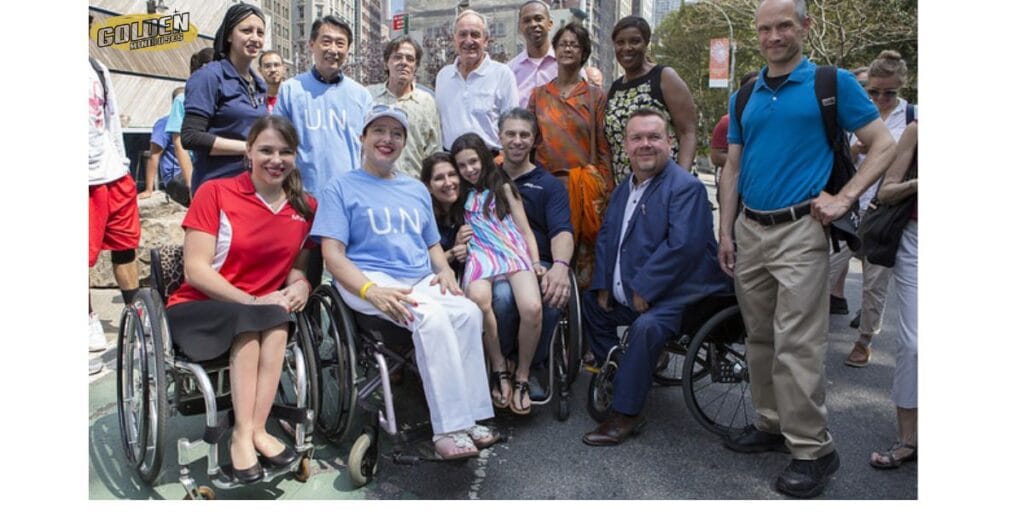
Creating an inclusive public transport system is not the responsibility of any single entity; it requires the collaboration of multiple stakeholders, including people with disabilities, transport providers, government agencies, and policy makers. Engaging these groups is crucial to ensuring that the transportation system meets the needs of all passengers, particularly those with disabilities. Below, we explore the important roles that various community members and stakeholders play in making public transport more inclusive.
1. Engaging People with Disabilities
Importance of Involving People with Disabilities in the Design Process
Incorporating the perspectives and needs of people with disabilities is vital to creating a truly inclusive transport system. People with disabilities are the best experts on their own needs, and their involvement in the design process helps ensure that accessibility features are both practical and effective.
- User-Centered Design: By involving people with disabilities in the design phase, transport authorities and planners can better understand the specific challenges faced by this group. This could involve holding consultations, focus groups, or interviews with disabled individuals to gather feedback on proposed infrastructure and service changes.
- Real-Life Experience: People with disabilities bring valuable real-life experience to the table. Whether it’s testing new technologies, providing input on station layouts, or offering suggestions on how to make buses and trains more accessible, their involvement ensures that the transport system reflects the realities of daily life for those with disabilities.
- Creating Universal Solutions: Engaging people with disabilities can lead to the development of solutions that benefit everyone. For example, the feedback from disabled passengers about station signage could help improve wayfinding for the elderly, tourists, or non-native speakers as well. The design process should aim for solutions that are universally beneficial, not just for specific groups.
Community Feedback and Participation in Transport Planning
Community feedback is essential in the ongoing process of improving public transport accessibility. This feedback allows for continuous adjustments and improvements, ensuring that the system evolves to meet the needs of all users.
- Surveys and Public Consultations: Transport authorities can conduct surveys or organize public consultations specifically for people with disabilities to gather insights into their travel experiences and the challenges they face. Feedback from these consultations can directly influence future transport policies and infrastructure investments.
- Accessible Feedback Channels: Feedback channels, such as websites, mobile apps, or customer service desks, should be accessible for people with various disabilities. This could include voice-assisted platforms for those with visual impairments or easy-to-read forms for people with cognitive disabilities.
- Co-Design and Co-Production: In addition to consultations, involving people with disabilities in the co-design of public transport services fosters a sense of ownership and ensures that their needs are better understood and addressed. People with disabilities can work alongside urban planners and transport operators to develop solutions that directly reflect their lived experiences.
2. Role of Transport Providers
Transport providers are at the forefront of delivering accessible services to passengers, including those with disabilities. Their role is not limited to operating the system; they are responsible for ensuring that all passengers, regardless of their abilities, can use the service independently and comfortably.
Training for Drivers and Staff
Training transport staff and drivers is essential to ensuring that people with disabilities have a positive experience using public transportation. It is not enough to have accessible infrastructure; transport workers must be equipped with the knowledge and skills to assist passengers when needed.
- Disability Awareness Training: Transport providers should offer regular disability awareness training for all staff, including drivers, conductors, station personnel, and customer service agents. This training should cover a wide range of disabilities—physical, sensory, cognitive, and invisible—and teach employees how to interact respectfully and effectively with passengers with disabilities.
- Customer Service Skills: Beyond just awareness, staff should be trained in providing excellent customer service to people with disabilities. This includes understanding how to offer assistance (e.g., helping a person with a guide dog onto a bus) and knowing when to step back and let the passenger navigate independently.
- Emergency Response Training: In case of an emergency, transport staff must know how to assist people with disabilities, whether it’s helping a person evacuate a train or providing assistance with mobility aids. Staff training should include specific protocols for ensuring the safety of disabled passengers in crisis situations.
Providing Accessible Customer Service
Accessible customer service is fundamental to the inclusivity of public transport systems. Transport providers must ensure that information and support are available in ways that meet the needs of all passengers.
- Accessible Information: Customer service must be accessible to all users, with information available in multiple formats. This could include large print, Braille, audio announcements, and online services that are compatible with screen readers. Transport providers should ensure that timetables, maps, and travel advice are available in formats that cater to people with visual, auditory, or cognitive impairments.
- On-Demand Assistance: Many people with disabilities require some level of assistance while using public transport. Transport providers should offer an easy and efficient way for passengers to request on-demand assistance, such as help with boarding or navigating stations. This service should be available for those who need it, without requiring passengers to pre-book or jump through unnecessary hoops.
- Helplines and Support: A dedicated helpline for people with disabilities, staffed with knowledgeable and empathetic personnel, can make a significant difference in the experience of disabled passengers. This service should be available via multiple channels (phone, email, chat) and provide practical information about accessible routes, special services, and real-time updates.
3. Government and Policy Makers
Governments and policymakers play a critical role in creating the legal, financial, and regulatory frameworks that support inclusive public transport. They are responsible for developing standards, funding improvements, and ensuring that transport systems meet the needs of all citizens, including people with disabilities.
Developing and Enforcing Regulations and Standards for Accessible Transport
Regulatory frameworks are essential for ensuring that public transport systems are accessible to people with disabilities. Governments must establish clear regulations and enforce standards that require transport operators to meet accessibility criteria.
- National Accessibility Standards: Governments should set national accessibility standards that outline the minimum requirements for public transport systems. These standards should address key elements such as the design of stations, vehicles, and services, ensuring that they are accessible to people with disabilities. Standards should also include timelines for implementing improvements and mechanisms for accountability.
- International Conventions and Compliance: Governments should align national regulations with international conventions, such as the United Nations Convention on the Rights of Persons with Disabilities (CRPD), which calls for equal access to public services, including transportation. Policymakers must ensure that transport systems comply with these international standards to protect the rights of people with disabilities.
- Enforcement and Accountability: It is not enough for governments to set regulations; they must also ensure that transport operators comply with accessibility standards. This requires regular monitoring, inspections, and penalties for non-compliance. Transport providers should be held accountable for maintaining accessible services, and governments should implement transparency mechanisms to allow passengers to report accessibility issues.
Funding Initiatives for Improving Public Transport Accessibility
Ensuring accessibility in public transport requires significant financial investment. Governments play a critical role in funding these improvements and incentivizing transport operators to prioritize accessibility.
- Public Investment: Governments should allocate funding to public transport authorities to support the development and maintenance of accessible infrastructure. This could include upgrading stations, purchasing low-floor buses, installing elevators, and ensuring that all stations are equipped with necessary accessibility features.
- Subsidies and Grants: Governments can offer subsidies or grants to encourage transport providers to adopt inclusive measures. For example, subsidies could be used to offset the cost of retrofitting older vehicles or to provide financial incentives for the development of new, accessible transportation technologies.
- Incentivizing Private Sector Investment: In many countries, public transport is operated by private companies. Governments can encourage these companies to invest in accessible infrastructure by offering tax breaks, grants, or low-interest loans. Public-private partnerships can also be used to share the costs of making public transport more inclusive.
Conclusion
The creation of an inclusive public transport system relies heavily on the active involvement of various stakeholders, including people with disabilities, transport providers, and policymakers. By engaging people with disabilities in the design process, transport providers can develop services that meet the real-world needs of passengers. Proper training, accessible customer service, and strong regulatory frameworks are all crucial in ensuring that the transport system serves everyone equally. Governments must also play an active role in funding initiatives and enforcing accessibility standards to ensure that public transport becomes a truly inclusive service for all. Collaboration between these stakeholders will ultimately lead to public transport systems that are accessible, efficient, and equitable for everyone.
Benefits of Inclusive Public Transport

Inclusive public transport systems offer a range of benefits that extend far beyond simply improving access for people with disabilities. The adoption of universal design principles and the integration of accessibility features into transport infrastructure can have positive social, economic, and environmental impacts. These benefits contribute to a more equitable and sustainable society, where all individuals, regardless of their abilities, can fully participate in daily life.
1. Social Inclusion
One of the most significant benefits of inclusive public transport is the promotion of social inclusion. Accessible transport systems enable people with disabilities to participate more fully in society by reducing barriers to social interaction, cultural engagement, and recreational activities.
Reducing Isolation
People with disabilities, particularly those with mobility, sensory, or cognitive impairments, often face physical, logistical, and social barriers to engaging in community life. Without accessible transport options, they may feel isolated, unable to visit friends, attend social events, or participate in family activities. By providing a reliable and accessible public transport system, individuals with disabilities gain more independence, which reduces the sense of social isolation.
- Increased Mobility: Accessible transport allows individuals to travel more freely, ensuring they can visit family members, attend social gatherings, and engage in community events. The removal of transport barriers enables people with disabilities to build and maintain relationships, contributing to a greater sense of belonging in society.
- Improved Mental Health: Social isolation is linked to increased rates of mental health issues, including depression and anxiety. By providing accessible transport options, individuals with disabilities are empowered to connect with others, reducing feelings of loneliness and contributing to better mental well-being.
Increasing Participation in Social Activities
Inclusive public transport opens up a wider range of activities and opportunities for people with disabilities to participate in social life, including:
- Cultural Events: Accessible transport allows people with disabilities to attend cultural activities such as theater performances, concerts, museums, and festivals. These experiences are an essential part of a fulfilling social life and contribute to a sense of cultural enrichment.
- Sports and Recreation: Accessible transport enables people with disabilities to participate in sporting activities and recreational events, whether as participants or spectators. This helps foster inclusion in both active and passive leisure pursuits.
- Community Engagement: Accessible transport also supports community involvement, such as attending meetings, joining local organizations, and participating in advocacy or civic events. People with disabilities who have reliable transport options are more likely to become active members of their communities.
By providing the means for people to engage more fully in these activities, inclusive public transport fosters a stronger sense of community, making society more interconnected and inclusive for everyone.
2. Economic Benefits
Inclusive public transport systems have significant economic advantages, not just for people with disabilities, but for society as a whole. By enabling greater access to work, education, healthcare, and other essential services, accessible transport helps people with disabilities participate in the economy, ultimately leading to a more productive and equitable society.
Enabling Access to Work
One of the primary economic benefits of inclusive public transport is that it enables people with disabilities to access employment opportunities. Work is a crucial aspect of economic participation, and without accessible transport, individuals with disabilities may be unable to reach their place of employment, limiting their ability to earn an income and contribute to the economy.
- Expanding Employment Opportunities: With accessible public transport, individuals with disabilities are more likely to be able to attend interviews, commute to work, and remain employed. This opens up more job opportunities in various sectors, allowing people to utilize their skills and expertise to contribute to the workforce.
- Increased Workforce Participation: When more people with disabilities can access transportation, they are more likely to participate in the workforce, reducing dependency on social support programs and contributing to the overall economy. This inclusion of people with disabilities in the labor market is not just a moral imperative but also an economic necessity.
Facilitating Access to Education and Training
Accessible public transport is also crucial for enabling individuals with disabilities to access education and vocational training, which are essential for career development and economic mobility.
- Access to Schools and Universities: Students with disabilities often face challenges in accessing education due to transportation barriers. By providing accessible public transport, people with disabilities can attend school, participate in extracurricular activities, and access specialized educational institutions, leading to better outcomes in terms of academic achievement and long-term career success.
- Vocational Training and Skill Development: Public transport enables individuals with disabilities to access vocational training programs, certifications, and skill-building courses that can increase their employability. Education is a key driver of economic empowerment, and accessible transport ensures that all individuals have equal access to these opportunities.
Access to Healthcare and Social Services
Accessible transport is also essential for individuals with disabilities to access healthcare and social services, which are crucial for maintaining health and well-being.
- Regular Medical Appointments: People with disabilities often need to attend regular medical appointments, therapies, or rehabilitation sessions. Accessible public transport ensures they can access these services without unnecessary difficulty or delays, improving health outcomes and reducing the financial burden of private transportation options.
- Social Services and Support: Public transport allows individuals to reach government offices, social service agencies, and community support programs. This access is critical for people with disabilities to receive necessary assistance, such as financial support, counseling, and social services that help improve their quality of life.
By enhancing access to education, employment, healthcare, and social services, inclusive public transport can improve the economic independence of people with disabilities while contributing to the broader economy by enabling a more diverse and inclusive workforce.
3. Environmental Benefits
In addition to the social and economic benefits, inclusive public transport systems also have significant environmental benefits. Public transport, when designed to be accessible, can play an important role in reducing environmental impact and promoting sustainability for all members of society, including people with disabilities.
Promoting Sustainable Transport Solutions
Public transport is one of the most efficient and sustainable modes of transportation, helping to reduce traffic congestion, air pollution, and dependence on fossil fuels. When these systems are designed to be accessible, they not only benefit people with disabilities but also contribute to broader environmental goals.
- Reduced Carbon Footprint: By encouraging the use of public transport, cities can reduce the number of private cars on the road. This leads to lower emissions of greenhouse gases, helping to combat climate change and reduce pollution in urban areas. Accessible public transport provides an alternative to private cars for people with disabilities, ensuring that they too can participate in sustainable transportation.
- Energy Efficiency: Modern public transport systems, such as electric buses or metro systems, are more energy-efficient than individual vehicles. By making these systems accessible, cities promote energy-saving solutions for a wider range of people, including those who may rely on public transport as their primary mode of travel.
Encouraging Active and Shared Transportation
Inclusive public transport systems can also encourage active and shared modes of transportation, contributing to healthier cities and reducing environmental impact.
- Integrated Mobility Options: Many accessible public transport systems are integrated with other forms of sustainable mobility, such as cycling and walking. People with disabilities can use these multimodal transportation options to move more easily through the city, combining walking, cycling, and public transport to create a more eco-friendly urban environment.
- Reducing Traffic Congestion: By promoting public transport as a viable option for people with disabilities, cities can reduce overall traffic congestion. Less congestion results in shorter travel times, fewer emissions, and a more efficient use of urban space.
Sustainable Urban Development
Cities that invest in inclusive public transport are also investing in long-term sustainability. Accessible transport systems can be a key component of urban planning efforts aimed at creating more sustainable, livable cities.
- Inclusive Urban Design: Cities that prioritize accessibility in transport planning often integrate other sustainable features, such as energy-efficient buildings, green spaces, and sustainable waste management practices. By creating an inclusive and environmentally friendly urban environment, cities can improve the quality of life for all residents, including people with disabilities.
Conclusion
Inclusive public transport systems provide wide-ranging benefits that extend beyond just meeting the needs of people with disabilities. Social inclusion is enhanced as individuals with disabilities are able to participate more fully in community life, reducing isolation and increasing social interaction. Economic benefits are realized through increased access to education, employment, and healthcare, leading to greater independence and participation in the workforce. Finally, the environmental impact of accessible public transport contributes to sustainability goals by reducing traffic congestion, lowering emissions, and promoting energy-efficient transport options.
By recognizing and fostering these benefits, cities and transport providers can create more inclusive, equitable, and sustainable public transport systems that benefit everyone, including people with disabilities. These systems not only improve the lives of individuals with disabilities but also contribute to the overall health, prosperity, and well-being of society as a whole.
Summary of Key Points
Throughout this discussion, we have highlighted the multifaceted benefits of inclusive public transport:
- Social Inclusion: Accessible transport systems reduce social isolation by enabling people with disabilities to participate in community activities, cultural events, and social interactions. These systems empower individuals to engage with their environment, maintain relationships, and experience a higher quality of life.
- Economic Benefits: Public transport that is accessible to people with disabilities leads to greater economic participation. It enables access to jobs, education, and healthcare, all of which are critical for fostering economic independence and reducing dependence on social support systems. Accessible transport opens the doors to employment opportunities and skill development, creating a more diverse and inclusive workforce.
- Environmental Benefits: Inclusive public transport promotes sustainability by reducing reliance on private vehicles. The environmental benefits are far-reaching, from lowering carbon emissions to easing traffic congestion, ultimately creating greener cities that benefit all residents, including those with disabilities. An integrated, accessible transport network encourages the use of energy-efficient public transport options, contributing to broader environmental goals.
- Technological Innovations: Advancements such as GPS-enabled apps, AI-assisted navigation, robotics, and contactless payment systems can revolutionize how people with disabilities interact with public transport. These innovations ensure greater independence, provide real-time updates, and streamline travel, making transportation more accessible and user-friendly for everyone.
- Collaboration and Policy Development: Achieving a truly inclusive public transport system requires the active engagement of multiple stakeholders—governments, transport providers, and people with disabilities. Strong regulatory frameworks, funding initiatives, and comprehensive staff training are essential to ensure that accessibility is not just a goal but an ongoing commitment.
Call to Action
The need for inclusive public transport is urgent, and the responsibility to create accessible systems lies with a broad coalition of stakeholders. Governments, transport providers, and communities must work together to ensure that public transport becomes a space where everyone, regardless of ability, can travel freely and independently.
Governments must prioritize the development of clear regulations and funding initiatives that support accessibility. They need to enforce compliance with accessibility standards and provide incentives to encourage innovation in transport solutions. Policy makers should continue to push for inclusive infrastructure and ensure that all new developments are built with accessibility in mind, adhering to universal design principles.
Transport providers must take the lead in adopting inclusive practices—from designing accessible vehicles and stations to offering accessible customer service and staff training. It is crucial that transport operators incorporate feedback from people with disabilities in the planning and evaluation of services, as their insights are invaluable in designing systems that meet real needs.
Communities also have a vital role in supporting inclusive public transport systems. By advocating for accessible services and participating in discussions around urban planning and transport policy, local communities can ensure that the needs of people with disabilities are considered. Increased awareness, public advocacy, and solidarity will drive the demand for accessible solutions that benefit everyone.
Importance of Continued Progress and Innovation
While significant strides have been made in many cities to improve the accessibility of public transport, the journey is far from complete. Continued progress is essential, especially as populations age and the number of people with disabilities continues to rise. Urban environments are constantly evolving, and public transport systems must adapt to keep pace with these changes.
Technological innovation will play a key role in the future of inclusive transport. From smart systems that provide real-time information to the integration of autonomous vehicles designed with accessibility in mind, ongoing innovation holds the promise of further enhancing inclusivity. By embracing new technologies, public transport systems can offer greater flexibility, comfort, and independence for passengers with disabilities.
In the face of growing demand and an increasingly diverse population, inclusive transport systems are not just a luxury—they are a necessity. Public transport systems that prioritize inclusivity ensure that no one is left behind. A truly inclusive society is one where all members, regardless of ability, are able to move freely and participate fully in social, cultural, and economic life.
Final Thought
As cities continue to grow and evolve, the commitment to accessible public transport must remain steadfast. It is not only a matter of ensuring fairness and equality but also of fostering vibrant, sustainable, and economically prosperous communities. By prioritizing accessibility and collaboration, we can create transport systems that are truly inclusive, benefiting everyone—regardless of their abilities—and contributing to a future where mobility is a right, not a privilege.
Let us move forward together in championing inclusive public transport, building systems that break down barriers, encourage participation, and promote a more inclusive, equitable, and sustainable future for all.