
Family travel is changing. For many parents, a successful holiday is no longer just about booking a nice hotel, taking a few photos at famous landmarks, and coming home with a full camera roll. More families now want something deeper from their trips. They want quality time, shared experiences, hands-on learning, and moments that genuinely bring everyone closer together.
That is where experience-driven family trips stand out. Instead of building a holiday around ticking off attractions, this type of travel focuses on what the family does together. It is about cooking with locals in a small town, joining a wildlife walk in a national park, learning traditional crafts, exploring history through interactive museums, or simply slowing down enough to enjoy meaningful moments without rushing from one place to another.
This travel style is growing because families are looking for more than convenience and entertainment. They want connection. They want children to learn naturally through real-life experiences. They want to create memories that stay with them long after the trip ends. In many cases, families are realizing that the best vacations are not always the most expensive or the most luxurious. They are often the ones built around simple but memorable experiences shared together.
In this guide, you will learn what experience-driven family trips really mean, why they work so well for families, what types of trips fit this style, and how to plan one in a way that feels meaningful, enjoyable, and realistic.
What Are Experience-Driven Family Trips?
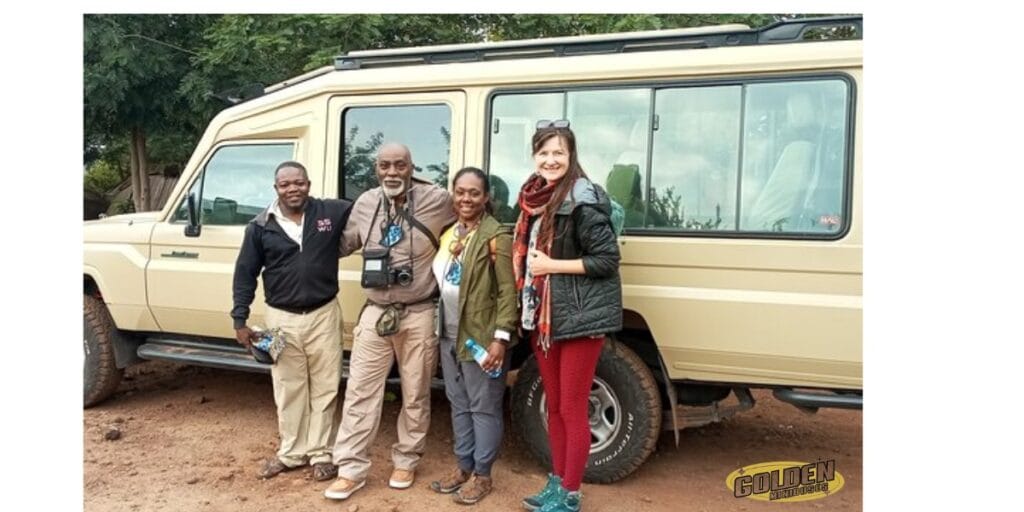
A simple definition
Experience-driven family trips are vacations built around shared activities, emotional connection, discovery, and memorable moments rather than just sightseeing or staying in a destination for comfort alone. The focus is not only on where you go, but on what you do together while you are there.
These trips usually involve some form of active participation. That could mean joining a family cooking class, visiting a working farm, kayaking on a lake, taking a walking tour with a local guide, attending a cultural festival, or learning about nature through an interactive wildlife experience. The idea is that the trip becomes meaningful because the family is engaged, involved, and present together.
At the heart of experience-driven travel is the belief that the most valuable part of a family holiday is not the backdrop or the luxury level. It is the feeling of sharing something real. Children remember feeding animals on a farm, making pottery with their parents, or seeing sea turtles on a guided beach walk far more vividly than they remember the design of a hotel lobby.
How they differ from traditional family vacations
Traditional family vacations often revolve around convenience, sightseeing, or rest. There is nothing wrong with that, but they can sometimes become passive. Families may spend much of the holiday moving quickly from one tourist attraction to another, following a packed itinerary, or staying mostly within a resort where everything is comfortable but disconnected from the local culture.
Experience-driven travel takes a different approach.
Instead of passive sightseeing, it encourages hands-on participation. Rather than only looking at places, families do things together. Instead of standing in front of a famous monument for ten minutes, they may spend an afternoon learning how local food is prepared or exploring a forest with a naturalist who brings the environment to life.
Instead of packed itineraries, it favors slower, deeper travel. Families are not trying to fit ten activities into one day. They choose a smaller number of meaningful experiences and leave space for rest, conversation, and spontaneous discoveries.
Instead of resort-only stays, it encourages meaningful local engagement. That may involve neighborhood tours, small workshops, village experiences, or family-run accommodations that provide a more personal connection to the destination.
Most importantly, instead of planning for appearance or convenience alone, experience-driven trips are built with a memory-first mindset. The question becomes, “What kind of moments do we want to share as a family?” rather than “How many attractions can we fit in?”
Why this travel style is becoming more popular
There are several reasons why experience-driven family travel has become more appealing in recent years.
First, many families are craving quality time. Daily life is busy, structured, and often full of distractions. Between work, school, devices, and routines, families can spend a lot of time in the same house without actually feeling connected. Travel offers a rare chance to slow down and be fully present with one another.
Second, parents increasingly value educational travel. They want holidays to be enjoyable, but they also appreciate trips that help children learn about culture, history, food, nature, language, and other ways of life. These lessons often feel more natural and memorable when they happen through real experiences instead of formal teaching.
Third, children usually remember activities more than landmarks. They might forget the name of a cathedral or museum, but they are far more likely to remember baking bread with a local family, spotting monkeys in the wild, or taking part in a village celebration. Experiences create stories, and stories are what stay.
Finally, many travelers now prefer authenticity over surface-level tourism. Families want trips that feel personal, grounded, and emotionally rewarding. They are less interested in simply copying what everyone else posts online and more interested in creating something that feels special to them.
Why Experience-Driven Travel Is Better for Families
It strengthens family bonding
One of the biggest benefits of experience-driven travel is that it creates natural opportunities for family bonding. Shared experiences bring people together in ways that passive entertainment often cannot. When family members try something new together, solve small challenges, laugh at mistakes, or help each other through unfamiliar situations, they build stronger emotional connections.
This might happen while hiking a trail, navigating a local market, learning a dance, or preparing a meal as a group. These moments encourage teamwork and communication. Parents see new sides of their children. Children feel more included and valued. Even small tasks, such as choosing what to explore that day or figuring out directions together, can turn into meaningful family interactions.
Unlike everyday life, where routines often separate everyone into their own tasks and screens, travel places the family in a shared environment with a shared purpose. That makes it easier to talk, cooperate, and enjoy one another’s company in a genuine way.
Children learn naturally through travel
Experience-driven travel is one of the most powerful ways for children to learn without feeling like they are in a classroom. Real-world experiences make knowledge feel alive and relevant.
A cooking class can teach children about ingredients, traditions, geography, and culture. A farm visit can help them understand food systems, animal care, and rural life. Museum workshops allow them to interact with history, science, or art in a practical and engaging format. Local history tours can make the past feel real instead of distant. Wildlife experiences help children observe ecosystems, conservation, and animal behavior firsthand.
This type of learning is effective because it is rooted in curiosity. Children are more engaged when they can touch, taste, ask questions, and see things happen in front of them. Even simple experiences can leave a deep impression because they connect learning with emotion and discovery.
It creates stronger memories than standard sightseeing
The reason experience-driven trips feel so meaningful is that active participation makes memories stronger. When family members are involved physically, emotionally, and mentally, those moments stay with them more clearly.
A child may not remember every place visited on a city tour, but they are likely to remember the day they made pasta by hand, rode a bicycle through a quiet village, or watched the stars from a forest cabin. These moments are often linked to emotion, surprise, and personal involvement, which is why they become long-lasting memories.
For adults too, the emotional value is higher. Parents often remember not just what happened, but how it felt to see their children curious, excited, brave, or joyful. These are the memories that become part of family stories for years.
It helps families disconnect from routine and screens
Modern family life is heavily shaped by routine and technology. School schedules, work demands, notifications, and screens can make even leisure time feel fragmented. Experience-driven travel helps families step away from that pattern and return to the present moment.
When a family is exploring a village, taking part in a workshop, or walking through nature together, screens tend to matter less. People become more focused on what is happening around them. Children are less likely to ask for devices when they are actively engaged, and parents often feel relief in having a natural reason to be offline.
This kind of digital break does not need to be perfect to be valuable. Even a few days of more intentional, present-focused travel can help the whole family reset and reconnect.
Key Elements of a Great Experience-Driven Family Trip
Shared activities for different age groups
A great family trip should include activities that feel enjoyable and manageable for the people involved. In many families, that means balancing very different needs. Toddlers need simple and gentle experiences. Older children want interaction and excitement. Teenagers need something engaging and age-appropriate. Parents want meaning without chaos. Grandparents may prefer comfort, accessibility, and a slower pace.
The best experience-driven trips look for overlap. That might mean choosing a farm stay where younger kids can feed animals, older children can explore gardens, teenagers can take photos or learn practical skills, and adults can enjoy the peaceful setting. It could mean a cultural walking tour short enough for children, but rich enough to interest adults.
The goal is not to make every moment perfect for everyone. It is to choose experiences where most family members can participate in some way and feel included.
Local and authentic experiences
Experience-driven travel becomes more meaningful when families connect with the destination in a real way. Local and authentic experiences help a trip feel unique rather than interchangeable.
That might include trying regional food with a local host, joining a traditional craft session, attending a small community event, listening to cultural storytelling, or exploring a neighborhood with someone who lives there. These experiences are often more memorable than polished tourist attractions because they feel personal and grounded.
Families do not need to go far off the beaten path to find authenticity. Even simple choices, such as eating at a family-run café, browsing a local market, or joining a guided neighborhood tour, can create a stronger sense of place.
Flexibility instead of overpacked schedules
One of the biggest strengths of experience-driven travel is that it values depth over quantity. Families often enjoy trips more when they stop trying to do everything.
Overpacked schedules create stress. They leave little room for rest, mood changes, or unexpected discoveries. Children become tired. Parents feel pressure to keep everything on time. The holiday starts to feel like a task instead of a shared experience.
Fewer, deeper activities usually work better. One meaningful workshop, one nature outing, and one cultural experience can leave a stronger impression than six rushed stops in a single day. Flexibility also allows families to respond to how everyone is feeling. Sometimes the best moments happen when there is enough space to notice them.
Comfort, safety, and family-friendly logistics
Meaningful travel should still be practical. A trip can be full of beautiful ideas, but if transport is exhausting, meals are poorly timed, or rest is ignored, the experience becomes harder for everyone.
Comfort and logistics matter, especially with children. Families need to think about travel times, access to food, naps, bathroom stops, climate, packing needs, and general safety. Age limits and activity suitability should be checked in advance. Walking distances, weather conditions, and transport connections can have a big impact on how enjoyable a trip feels.
The most successful experience-driven trips usually balance adventure with thoughtfulness. They are inspiring, but also realistic.
Best Types of Experience-Driven Family Trips
Cultural family trips
Cultural trips are ideal for families who want to learn, connect, and explore traditions together. These trips often include heritage towns, local festivals, traditional craft workshops, and family cooking classes. They help children see how people live, celebrate, eat, and create in different parts of the world.
A cultural family trip does not have to be formal or academic. It can be as simple as learning a local recipe, exploring a historic neighborhood, or hearing traditional stories from a guide. These experiences help children build curiosity and respect for other cultures while giving parents a richer and more meaningful holiday.
Nature and wildlife adventures

Nature-based travel is one of the best ways to create shared family memories. National parks, eco-lodges, safaris, guided nature walks, and beach ecology tours all offer opportunities for discovery, movement, and wonder.
Children are often naturally drawn to animals, forests, rivers, and outdoor environments. Nature encourages questions, exploration, and active engagement. It also helps families slow down and reconnect away from urban distractions.
Wildlife experiences are especially memorable because they combine education with excitement. Seeing animals in their natural habitat or learning about ecosystems from a knowledgeable guide can leave a lasting impact on children and adults alike.
Educational and historical trips
Educational trips are perfect for families who enjoy learning together. Science museums, historical sites, archaeological locations, and interactive exhibits can turn travel into an exciting journey of discovery.
These trips work best when the learning feels immersive rather than passive. Instead of simply reading signs, families can look for places that offer demonstrations, role-play, workshops, guided storytelling, or hands-on exhibits. When history and science are made interactive, children stay engaged and parents get more value from the experience too.
Educational travel is especially useful for families who want vacations to feel enriching without losing the joy and fun of being away.
Adventure-based family holidays
Adventure travel suits active families who enjoy movement, challenge, and energy. Activities such as zip-lining, kayaking, hiking, cycling tours, and camping can turn a holiday into a memorable shared achievement.
Adventure-based trips often strengthen family confidence and teamwork. Trying something slightly outside the usual routine can help children become more independent and resilient. Parents also get to share excitement with their children in a way that feels refreshing and real.
The best family adventure trips are not necessarily extreme. What matters is choosing activities that are safe, age-appropriate, and enjoyable for the group.
Farm stays and rural experiences
Farm stays and rural escapes are excellent for families who want a slower, more grounded type of travel. Activities like fruit picking, animal care, gardening, village life experiences, and traditional meals help children connect with simple, everyday realities they may not see at home.
These trips often feel calm, wholesome, and deeply memorable. There is a natural rhythm to rural life that helps families slow down. Children can take part in practical tasks, ask questions, and experience the outdoors in a meaningful way. Parents often appreciate the simplicity and emotional warmth of these environments.
Skill-based travel experiences
Skill-based trips are centered around learning something new together. That might include pottery, baking, surfing, photography, painting, or art workshops. These experiences are especially powerful because they combine participation, creativity, and a sense of progress.
Families often enjoy these trips because they produce a visible memory of the experience. A handmade object, a recipe learned, or a new skill practiced becomes something the family can remember and even continue after the holiday ends.
How to Plan an Experience-Driven Family Trip
Start with the experience, not just the destination
A strong experience-driven trip usually begins with one simple question: What does our family want to do together? Starting with the experience helps you choose a destination with more purpose.
If your family loves animals, look for places known for wildlife reserves, ethical farm stays, or nature education. If they love culture, choose destinations with traditions, festivals, cooking classes, and local storytelling. If they love adventure, focus on places with hiking, water activities, cycling, or family-friendly outdoor options.
This approach leads to better travel decisions because the destination becomes a setting for the experience, not just a name on a map.
Match the trip to your children’s ages and interests
The same destination can feel wonderful or overwhelming depending on the age and personality of your children. Toddlers usually need simple, low-stress experiences with plenty of breaks and familiar routines. Older children often enjoy interactive learning, movement, and activities they can physically take part in. Teenagers usually respond better to experiences that are adventurous, social, creative, or visually interesting.
Planning around age and interest does not mean limiting the trip. It means designing it in a way that keeps everyone more engaged and less frustrated. A trip that suits your family’s real energy levels will always feel more successful than one that looks impressive on paper.
Choose 2–3 anchor experiences only
One of the smartest planning choices is to select just two or three main experiences that define the trip. These are your anchors — the activities that matter most.
For example, a family might plan a trip around a wildlife safari, a local cooking class, and a guided cultural village visit. Everything else can remain flexible. This prevents the schedule from becoming too crowded and helps the trip feel more intentional.
Anchor experiences also make budgeting easier and reduce decision fatigue during the trip.
Leave room for spontaneity
Some of the best family travel moments are not planned in advance. They happen when you find a local market, stop at a quiet beach, discover a neighborhood café, or spend an extra hour somewhere because everyone is enjoying it.
Leaving room for spontaneity allows the trip to breathe. It also gives families space to rest. Not every hour needs to be productive. Slower moments often create the emotional space where connection happens naturally.
Budget for experiences, not just flights and hotels
Many families spend most of their travel budget on transport and accommodation, then treat activities as an afterthought. Experience-driven travel works better when the opposite happens. The experiences are often the most memorable part of the trip, so they deserve a clear place in the budget.
That does not mean spending more overall. It means spending more intentionally. Some families may choose simpler accommodation if it allows room in the budget for a memorable class, guided tour, or meaningful outing.
Book family-friendly accommodation near the main activities
Location often matters more than luxury. Staying near your core activities reduces travel time, lowers stress, and makes the whole experience more comfortable for children.
A practical, well-located place to stay can support the trip far better than a beautiful hotel far away from everything you actually want to do. Easy access to meals, rest, transport, and your main experiences makes the holiday smoother and more enjoyable.
Experience-Driven Family Trip Ideas by Travel Style
For families who love culture
Families who enjoy culture can build trips around cooking with locals, storytelling nights, visits to cultural villages, folk dance workshops, and traditional celebrations. These experiences help children connect with people, customs, and everyday life in a meaningful way.
For families who love nature
Nature-loving families may enjoy forest cabins, wildlife tours, stargazing camps, lake activities, and eco-based excursions. These trips often combine movement, calm, discovery, and digital detox in a very natural way.
For families who love learning
Learning-focused families can explore museum-rich cities, heritage trails, science centers, historical reenactments, and hands-on educational parks. These trips work especially well for curious children who ask lots of questions and enjoy understanding how things work.
For families who love adventure
Adventure-focused families might choose mountain retreats, rafting experiences, biking holidays, family trekking routes, or guided outdoor camps. These trips create strong shared memories because they involve challenge, excitement, and participation.
For families who want relaxation with meaning
Some families do not want a high-energy trip, but they still want depth and connection. In that case, beach towns with local excursions, wellness retreats with family activities, or slow travel villages can be ideal. These trips combine rest with simple but meaningful experiences instead of constant activity.
Common Mistakes to Avoid
Trying to do too much in too little time
Overplanning is one of the fastest ways to drain joy from a family trip. Too many activities create stress, fatigue, and emotional overload. Children become overwhelmed, and parents spend more time managing the schedule than enjoying the trip.
Planning for adults only
Some trips are technically family holidays but are designed mostly around adult interests. That often leads to boredom or frustration for children. Good family travel should include activities children can participate in, not just tolerate.
Ignoring downtime and meal routines
Children often cope better with travel when they have enough rest and regular meals. Skipping these basics can affect mood, energy, and behavior quickly. Breaks are not wasted time. They help the whole trip run better.
Choosing “Instagrammable” places over suitable experiences
A destination may look beautiful online, but that does not mean it is the best fit for your family. It is better to choose places and experiences that suit your children’s ages, interests, and energy levels than to chase locations that are only visually impressive.
Not checking age limits, safety, or accessibility
A great-looking activity can quickly become stressful if it turns out to be unsuitable. Always check age requirements, mobility access, travel distance, safety conditions, weather risks, and practical details in advance.
How to Make the Trip More Meaningful for Children
Let kids help choose activities
Children feel more excited and involved when they have a voice in the planning. Giving them a few choices helps create anticipation and makes them more emotionally invested in the trip.
Teach them about the destination before the trip
Reading a short story, watching a child-friendly documentary, looking at maps, or learning a few local words can help children arrive with curiosity instead of confusion. It also makes the destination feel more real to them.
Encourage journaling, sketching, or travel scrapbooks
Creative reflection helps children notice more and remember more. A simple journal, sketchbook, or scrapbook allows them to process what they see and turn experiences into personal memories.
Focus on participation, not perfection
Things may not go exactly as planned. Children may get tired, weather may change, or an activity may not go smoothly. That is normal. The value of the trip is not in making every moment perfect. It is in being present and involved together.
Talk about the trip together afterward
After the trip, families can strengthen the memory by talking about favorite moments, funny stories, and things learned. This helps children reflect and keeps the experience alive beyond the holiday itself.
Experience-Driven Family Trips on a Budget
Choose nearby destinations
Meaningful travel does not require long-haul flights. Nearby towns, countryside escapes, coastal villages, and regional parks can offer excellent family experiences at a lower cost.
Use free local experiences
Local markets, public beaches, walking trails, festivals, community events, and neighborhood exploration can be just as memorable as paid attractions when approached with curiosity.
Travel in shoulder seasons
Traveling just outside peak periods often means better prices, fewer crowds, and a calmer experience for families. This can make meaningful travel more affordable and more enjoyable at the same time.
Prioritize one unforgettable experience over many paid attractions
Families do not need to pay for everything. One special experience, such as a guided wildlife outing or cultural workshop, can define the trip more than several expensive but rushed attractions.
Look for family passes, workshops, and local deals
Many destinations offer discounted family entry, bundled cultural activities, or local workshops at reasonable prices. A little planning can help families find high-value experiences without overspending.
Who Benefits Most from Experience-Driven Family Travel?
Families with young children
Young children benefit from simple, hands-on experiences that stimulate curiosity and create close bonding with parents.
Families with teenagers
Teenagers often respond well to travel when it includes active, creative, or socially engaging experiences instead of passive sightseeing alone.
Multigenerational families
Trips with grandparents, parents, and children can become more meaningful when they center on shared experiences instead of fast-paced attraction hopping.
Homeschooling or educational travel families
Families who value learning naturally fit well with experience-driven travel because it turns the world itself into a classroom.
Busy parents wanting more quality time
For parents who feel that daily life is too rushed, this style of travel offers a rare chance to slow down, reconnect, and make real memories together.
Final Thoughts: Why Experience-Driven Family Trips Are Worth It
The most valuable family trips are rarely the ones with the busiest schedules or the longest list of attractions. They are the trips filled with shared laughter, curiosity, conversation, and moments that bring people closer together.
Experience-driven family travel reminds us that what matters most is not just the destination. It is the feeling of doing something meaningful together. When travel includes real connection, local culture, learning, and participation, it becomes far more memorable for both children and adults.
In the end, family vacations are not measured only by distance, luxury, or how many places you visited. They are measured by the memories you created and the connection you built along the way.A good place to start is simple: choose one experience first, then build the trip around it. That small shift can turn an ordinary holiday into something your family remembers for years.