
Introduction
Minibus hire is one of the most practical transport solutions for group travel. It gives families, tourists, schools, sports teams, corporate groups, and event attendees a simple way to travel together without the stress of arranging multiple cars. It can reduce travel confusion, improve coordination, and make journeys more comfortable for medium-sized groups.
However, demand for minibus hire does not stay the same throughout the year. Some months are much busier than others, and certain events can create a sudden rise in bookings within a very short period. School holidays, summer travel, festivals, weddings, sporting fixtures, Christmas parties, airport transfers, and corporate gatherings all contribute to these demand spikes.
These changes are important because they affect more than just booking numbers. They can influence vehicle availability, price levels, route planning, staffing pressure, and the amount of notice customers need before making a booking. During busy periods, customers may find fewer options and higher rates, while operators may face pressure to keep fleets moving efficiently and maintain service standards.
Understanding seasonal peaks and event-driven demand in minibus hire helps both customers and operators make better decisions. Customers can book earlier and avoid disappointment, while operators can prepare their fleet, staff, and pricing strategy more effectively. This article explains how these demand patterns work, which times of year are busiest, what kinds of events create pressure, and how everyone involved can plan more wisely.
What Is Minibus Hire and Who Uses It?
What is minibus hire?
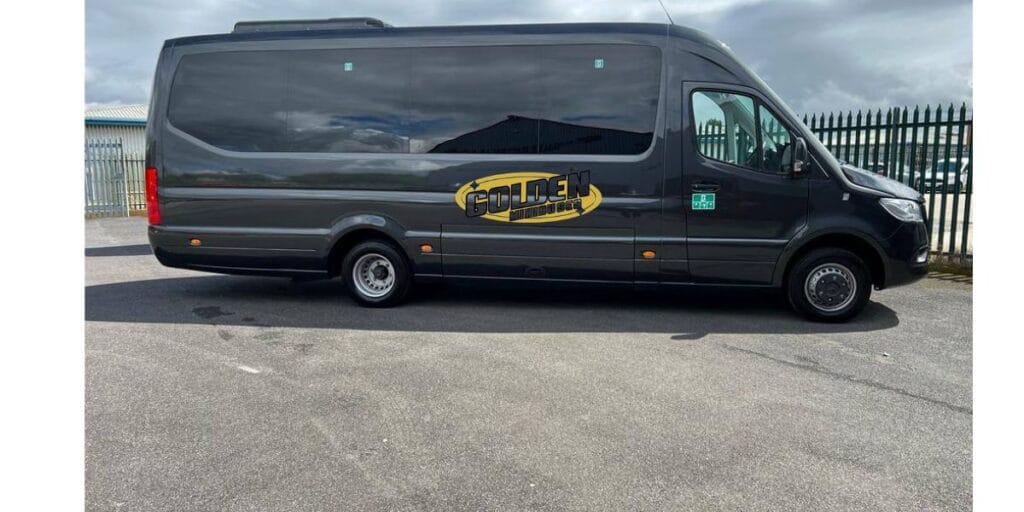
Minibus hire refers to the rental or booking of a minibus for group travel. It is commonly used when a group is too large for a standard car but does not need a full-size coach. Depending on the provider and the local market, minibus hire may be available as a chauffeur-driven service or, in some cases, as a self-drive option. The most common services include local transfers, day trips, airport runs, corporate journeys, school transport, and event travel.
Minibuses come in different sizes to suit different group needs. Smaller minibuses may carry around 8 to 12 passengers, while larger models may accommodate 14, 16, or more. This flexibility makes minibus hire a practical option for a wide range of travel purposes. A family heading to a wedding, a sports team travelling to a match, or a corporate group attending a conference may all benefit from the convenience of using one shared vehicle.
Who typically books a minibus?
Minibus hire attracts a wide mix of customers because group transport needs appear in many situations. Families often use minibuses for celebrations, reunions, or airport travel. Tourists use them for sightseeing or regional travel where staying together is more convenient than using separate vehicles. Wedding groups book minibuses to move guests between ceremony venues, hotels, and reception locations.
Schools and colleges also make frequent use of minibuses for field trips, educational visits, sports fixtures, and end-of-term activities. Sports teams and supporters often need reliable transport to and from matches, especially for away travel. Corporate groups use minibuses for staff transport, client travel, off-site meetings, exhibitions, conferences, and airport pickups. Event attendees also rely on minibus hire when attending concerts, festivals, fairs, and public gatherings.
Why minibus hire is popular for group travel
One of the biggest reasons minibus hire is popular is convenience. Instead of managing multiple cars, multiple drivers, and multiple arrival times, the whole group can travel together. This reduces confusion and saves time. Cost sharing also makes minibus hire attractive, as the overall cost can often be divided among passengers, making it more affordable per person.
Another major advantage is reduced parking stress. At busy venues, city centres, airports, and event grounds, parking can be expensive, limited, or difficult to access. A single minibus solves that problem far better than several separate cars. Group safety and coordination also improve because people are less likely to get lost, delayed, or separated during the journey. For medium-sized groups, minibus hire often offers a useful balance between comfort, efficiency, and practical planning.
Understanding Seasonal Peaks in Minibus Hire
What are seasonal peaks?
Seasonal peaks are periods of the year when demand for minibus hire rises in a predictable way. These are not random increases. They usually happen because of recurring patterns such as holidays, tourism cycles, school breaks, weather changes, and annual social or commercial activity. Unlike unexpected demand surges, seasonal peaks can often be anticipated in advance because they follow a familiar pattern each year.
For example, demand often rises in summer because more people travel for holidays, outdoor events, and leisure trips. It also increases around Christmas and New Year when families, office teams, and social groups are travelling more often. Wedding season, school trip periods, and bank holiday weekends can also contribute to strong seasonal demand.
Why demand is not evenly spread throughout the year
Demand for minibus hire changes because travel habits change. People do not organise trips in the same way every month. In colder months, leisure travel may slow in some areas, while festive travel may increase in others. During school term times, demand may come more from education or business use, whereas during holidays it may shift towards tourism, family gatherings, and event transport.
Weather also plays an important role. Good weather encourages day trips, festivals, countryside outings, and coastal travel. Poor weather can reduce some types of leisure movement while increasing reliance on organised transport in other cases. School calendars, university terms, public holidays, and annual local events all shape how and when groups travel.
Because these patterns are tied to how people live, work, and celebrate, demand naturally rises and falls across the year rather than remaining stable. This makes the minibus hire industry highly sensitive to timing.
Why seasonal peaks matter
Seasonal peaks matter because they influence nearly every part of the minibus hire process. For customers, the most obvious effects are reduced availability and higher prices. A vehicle that is easy to book in a quiet month may become difficult to secure during a busy holiday period. Customers who leave bookings too late may have to compromise on vehicle size, pickup time, or overall cost.
For operators, seasonal peaks create both opportunities and pressure. More bookings can mean stronger revenue, but they also require careful planning. Fleets must be ready, drivers must be available, routes must be managed efficiently, and customer expectations must still be met even when demand is intense. Seasonal peaks therefore shape booking strategy, pricing policy, staffing decisions, and service quality throughout the year.
Key Seasonal Periods That Drive Minibus Hire Demand
Summer holiday season

Summer is often one of the busiest periods for minibus hire. Families take holidays, schools break up for vacation, tourists travel more actively, and many outdoor events take place during this time. Groups may hire minibuses for day trips to coastal areas, countryside destinations, theme parks, or tourist attractions. In many regions, summer weather creates ideal conditions for festivals, sporting events, and weddings, all of which can increase demand.
This season also brings more airport transfers as families and groups travel abroad or arrive for domestic holidays. Because summer is associated with leisure, celebration, and higher movement overall, minibus operators often experience strong booking volumes during these months.
Christmas and New Year
The festive period creates another major peak in demand. Office Christmas parties, family reunions, shopping trips, airport transfers, religious gatherings, and New Year celebrations all generate the need for group transport. Evening travel becomes especially important because people want a safe and convenient way to attend social events without relying on multiple drivers.
This period can be particularly demanding because many journeys happen at similar times. For example, large numbers of people may want transport on the same weekends, at similar evening hours, or around the same airport schedule windows. Festive travel often combines emotional value with time sensitivity, which means customers expect punctuality and reliability even during highly congested periods.
Wedding season
Wedding season is usually strongest in spring and summer, although it can vary by region. Weddings create a specific and valuable source of minibus hire demand because they often involve coordinated transport between multiple points. Guests may need to travel from hotels to ceremony venues, from ceremony venues to receptions, and from receptions back to accommodation later in the evening.
Unlike casual leisure bookings, wedding transport often requires exact timing and careful planning. Delays can affect the entire event schedule. For this reason, wedding customers frequently book well in advance and may require multiple vehicles, different pickup locations, and return journeys late into the evening.
School term peaks and educational trips
Educational transport is another important demand driver. Schools, colleges, and universities often organise field trips, academic visits, sports fixtures, and group outings during the term. End-of-term activities can also push up transport needs, especially when several institutions are organising trips around the same time.
Sports competitions, debate events, campus visits, and educational excursions often require reliable group travel. These journeys are usually planned, but because many happen in recurring seasonal windows, they create demand clusters that operators can anticipate.
Bank holidays and long weekends
Bank holidays and long weekends often generate strong short-term demand. People use these breaks for domestic travel, family visits, group outings, and weekend getaways. Because the travel window is short, many customers want transport at the same time, often on Friday departures and Monday returns or similar patterns.
These mini-peaks may be shorter than summer or Christmas demand, but they can still place significant pressure on fleet availability. Day tours, leisure trips, shopping visits, and event attendance all rise during long weekends, making these periods important for both operators and customers.
What Is Event-Driven Demand in Minibus Hire?
Definition of event-driven demand
Event-driven demand refers to booking increases caused by specific events rather than broad seasonal trends. These events may include concerts, music festivals, sporting fixtures, exhibitions, trade shows, religious gatherings, local fairs, graduation ceremonies, public celebrations, or large corporate functions. In these cases, demand rises because a particular event attracts many people who need transport to and from one location or area.
This form of demand is highly important in minibus hire because group movement is at the centre of many event experiences. Friends attend festivals together. Supporters travel to matches together. Corporate teams attend conferences together. Families attend weddings together. This naturally creates a strong link between events and group transport.
How event-driven demand differs from seasonal demand
Seasonal demand is broad and recurring. It usually develops over a longer period and affects an entire month or season. Event-driven demand is different because it is often concentrated in one place and over a much shorter time. It may build quickly, peak sharply, and disappear once the event ends.
For example, summer holiday demand might stretch across several weeks. In contrast, demand related to a concert or football final may be focused around one evening or one weekend. Event-driven demand can therefore be more intense and more localised. It may also be less flexible because passengers often need to arrive before a fixed start time and leave after a fixed finish time.
Why events create transport pressure
Events create transport pressure because large groups are moving to and from the same destination within a narrow time window. Parking at event venues is often limited or expensive, which makes shared transport more attractive. Some venues are difficult to access individually, especially if traffic controls, road closures, or restricted parking are in place.
Events also increase coordination needs. A group attending a wedding or festival usually wants to arrive together and return together. This makes minibus hire especially useful. However, because many groups behave the same way at the same time, demand can rise very quickly. Operators may face booking surges, route congestion, tight scheduling, and high customer expectations all at once.
Types of Events That Create High Minibus Hire Demand
Music festivals and concerts
Music festivals and concerts are among the strongest drivers of event-based transport demand. These events often involve regional travel, large groups of friends, and late-night return journeys. Public transport may be crowded, limited, or unavailable at certain times, especially after the event ends. A minibus offers convenience, shared cost, and easier coordination.
Festival transport can be especially demanding because pickup and drop-off arrangements may need to account for campsite access, heavy traffic, or rural event locations. Concerts in city centres can create similar demand pressure due to parking shortages and road congestion.
Sporting events
Sporting events create repeated transport demand throughout the year. Football matches, rugby games, tournaments, away fixtures, amateur competitions, school sports days, and youth team travel all contribute. Supporters often travel in groups, and teams usually need organised transport with enough space for passengers and equipment.
Away matches are particularly important because they often involve early departures, long distances, and fixed arrival times. Tournament weekends can also create clusters of bookings when several teams are travelling simultaneously.
Weddings and private celebrations

Weddings, engagement parties, anniversaries, birthdays, and other private celebrations regularly create minibus hire demand. Weddings are the most obvious example because they often require well-timed movement between hotels, ceremony venues, and reception sites. Guests may be unfamiliar with the area, which makes shared transport even more valuable.
Private celebrations also create demand for evening return transport, especially when the event includes dining, entertainment, or alcohol. In these cases, customers value safety, convenience, and the ability for everyone to travel together.
Corporate events and conferences
Corporate functions are another important source of event-driven demand. Staff transport to conferences, trade exhibitions, product launches, training sessions, team-building days, and networking events often requires minibuses. These journeys may also include airport pickups for visiting colleagues or clients.
Corporate travel usually places a strong emphasis on punctuality, professionalism, and efficient routing. Where several people are arriving from the same office or hotel, a minibus becomes a logical transport solution.
Community and cultural events
Community and cultural events may be smaller than national festivals or sports fixtures, but they can still create meaningful local demand. Parades, fairs, seasonal markets, religious gatherings, university events, public ceremonies, and graduation celebrations often lead to concentrated booking activity. In smaller towns, even one major local event can significantly affect transport availability for that day or weekend.
How Seasonal and Event-Driven Demand Affects Customers
Reduced availability
One of the first things customers notice during busy periods is reduced availability. The most suitable vehicles may be booked quickly, especially if customers are looking for a specific size or schedule. Popular time slots, such as weekend evenings or airport transfer windows during holidays, can fill early.
Last-minute customers often face the greatest difficulty. They may still find transport, but the options may be limited or less ideal than they expected.
Higher prices during busy periods
Prices often increase during high-demand periods because supply becomes tighter. When more groups are competing for the same fleet, operators may charge higher rates to reflect demand pressure, driver availability, longer hours, or additional operating costs. Heavy traffic, extended waiting times, fuel costs, and route complexity can all influence pricing as well.
This does not always mean prices become unreasonable, but it does mean that customers should expect less flexibility when demand is high.
Need for earlier booking
Busy periods reward early planning. Customers booking wedding transport, festival travel, school group trips, or holiday airport journeys usually get better options when they book in advance. Early booking increases the chance of securing the preferred vehicle size, pickup plan, and timing.
It also gives both customer and operator more room to clarify details, confirm route logistics, and reduce the risk of last-minute problems.
Less flexibility in busy periods
When demand is high, operators may become stricter about booking terms. Route changes, timing adjustments, and cancellation requests may be harder to accommodate because the schedule is already under pressure. Customers may also find fewer upgrade options and less room for negotiation. This is why clarity at the booking stage becomes especially important during peak periods.
How Seasonal and Event-Driven Demand Affects Minibus Hire Operators
Fleet utilisation challenges
For operators, one of the biggest challenges is balancing busy periods with quiet ones. A fleet that feels too small during summer or Christmas may feel underused in slower months. Matching the right vehicle size to the right booking also becomes important. Sending a larger vehicle than needed may reduce efficiency, while failing to meet passenger demand can damage customer trust.
Driver scheduling and staffing pressure
Peak periods place extra pressure on drivers and staffing systems. More bookings may mean earlier starts, later finishes, and tighter turnaround times. Operators must still manage compliance, rest requirements, safety expectations, and service quality. This makes driver planning a central part of peak-season preparation.
Maintenance and readiness
Busy periods leave less room for avoidable vehicle downtime. Tyres, brakes, lighting, cleanliness, and general mechanical condition all need to be checked before demand builds. Operators who enter peak season with poor preparation risk breakdowns, delays, and customer complaints. Backup planning is also essential because unexpected problems are more costly when the fleet is already heavily booked.
Revenue opportunities and operational risks
High demand creates strong revenue opportunities, but it also increases risk. More bookings can improve income, yet the pressure to meet tight schedules can lead to late arrivals, service inconsistency, communication failures, or overbooking errors if systems are weak. The challenge for operators is not just attracting more demand but managing it well.
Booking Trends and Customer Behaviour During Peak Periods
How far in advance customers book
Different types of bookings follow different timelines. Wedding transport is often booked months in advance because the event date is fixed and the transport plan matters to the overall schedule. Holiday airport transfers may also be arranged early, especially by families or larger groups. Concert and sports bookings may be made weeks in advance, though some customers wait until plans are confirmed.
Last-minute booking spikes
Even during planned seasons, last-minute demand still happens. Some customers decide to attend an event suddenly. Others face disruptions with trains, coaches, or private arrangements and need replacement transport. Weather changes can also influence travel choices, pushing some groups toward minibus hire as a more secure option.
Group decision-making and shared bookings
Many minibus bookings are made by one organiser on behalf of a group. This person usually compares price, convenience, timing, and pickup simplicity. Budget sensitivity matters, but so does ease. Groups often prefer door-to-door travel, a clear collection point, and one vehicle for everyone rather than splitting up. This group decision-making process affects how operators present quotes and structure services.
Strategies Customers Can Use to Secure Minibus Hire During Busy Times
Book early
The simplest and strongest strategy is to book as early as possible. Early booking improves availability, gives more choice, and reduces pressure later. For weddings, festivals, major sporting events, and holiday travel, early action can make a major difference.
Be flexible with time and pickup points
Customers who are flexible often have better success during busy periods. A slightly earlier or later departure, or a simpler pickup arrangement, may open more options. Flexibility can also help reduce cost in some cases.
Confirm group size accurately
Knowing the exact number of passengers matters. Booking the wrong vehicle size can create unnecessary cost or practical problems. A clear headcount helps the operator match the right vehicle to the booking.
Avoid peak-hour assumptions
Customers should not assume that a route will take the same time during an event weekend as it would on a normal day. Extra traffic, road restrictions, and venue congestion can all affect timing. Planning around this is essential.
Compare inclusions, not just price
The cheapest quote is not always the best one. Customers should compare what is actually included, such as waiting time, pickup structure, return arrangements, and route clarity. A slightly higher quote may offer far better reliability and value.
Confirm event traffic and return timing
For event transport, return timing matters as much as the outward journey. Customers should confirm when the group wants to leave, where the pickup zone is, and how traffic conditions may affect collection after the event.
Strategies Operators Can Use to Manage Seasonal Peaks and Event-Based Demand
Forecast demand using previous trends
Operators who study previous booking patterns can prepare more effectively. Historical demand by month, event type, route, and vehicle size can help identify where pressure is likely to appear. This supports better planning before the busy period begins.
Build seasonal pricing carefully
Pricing should reflect real operational conditions without damaging trust. A well-designed seasonal pricing strategy can balance demand, protect margins, and avoid chaos. However, poor pricing decisions may drive customers away or create negative perceptions.
Prepare vehicles before major periods
Pre-peak inspections and maintenance planning are essential. Operators should enter busy periods with vehicles in strong condition rather than trying to fix issues while demand is already high. Cleanliness, reliability, and presentation also matter because busy periods often include higher-value bookings such as weddings and corporate travel.
Strengthen driver and support scheduling
Driver availability should be reviewed in advance, not during the peak itself. Support staff handling bookings, route changes, and customer communication also need to be ready. Administrative weakness during high demand can create just as many problems as fleet shortages.
Create event-specific service packages
Operators can improve efficiency by offering services built around common needs, such as wedding guest shuttles, airport holiday transfers, sports team travel, or festival return packages. This makes quoting easier and helps customers understand what they are buying.
Improve online booking and communication
Clear online booking systems, fast quote handling, and strong customer communication are major advantages during peak periods. Customers want quick answers, accurate details, and confidence that their booking is understood.
Use local SEO and event-based landing pages
This is a strong growth opportunity. Operators can create targeted pages for services such as wedding minibus hire, festival transport, airport holiday transfers, and sports event group travel. These pages can attract more qualified traffic and align better with real booking intent.
Regional and Local Factors That Influence Demand
Urban vs rural demand patterns
Demand patterns can vary between urban and rural areas. Cities often generate more corporate bookings, airport transfers, and major event travel. Rural areas may see longer-distance leisure journeys, wedding transport, and seasonal tourism movement. The booking pattern is not just about time of year but also about geography.
Tourism-heavy locations
Holiday towns, coastal areas, airport corridors, and major event destinations usually experience stronger peaks than quieter regions. In tourism-heavy areas, even a short holiday period can produce a sharp rise in group transport demand.
Local calendars and community events
Local events can have a surprising impact. A town festival, university graduation, school sports week, or annual market may create a booking spike that matters greatly within a local fleet. Operators who understand local calendars can often prepare better than those who only focus on national holiday periods.
Technology, Online Booking, and Demand Forecasting in Modern Minibus Hire
Role of online booking systems
Modern booking systems make it easier for customers to request quotes, compare schedules, and confirm journeys quickly. For operators, these systems help reduce manual errors and improve booking accuracy.
Real-time availability management
Real-time availability tools allow operators to monitor fleet capacity more effectively. This is especially useful when demand is changing quickly around busy periods or event weekends.
Demand forecasting tools
Better data leads to better planning. Operators who track booking history, peak dates, route frequency, and seasonal patterns can make more informed decisions about pricing, marketing, and staffing.
Route planning and dispatch improvements
Technology also improves dispatch and route planning. During high-demand periods, efficient routing can save time, reduce delays, and help operators fit more work into the same day without sacrificing service.
Customer communication during busy periods
Automated confirmations, reminders, pickup instructions, and live updates improve customer confidence. During busy periods, good communication is one of the most effective ways to reduce stress and prevent misunderstandings.
Common Challenges During High-Demand Periods
Delays and traffic congestion
Heavy traffic is one of the most common problems during peak periods. Event routes, holiday travel corridors, and city-centre pickup zones can all create delays. Operators and customers must plan for this rather than treating it as an exception.
Vehicle shortages
When the booking volume rises faster than expected, vehicle shortages become likely. This can lead to lost bookings, rushed scheduling, or difficult decisions about which enquiries to accept.
Driver availability issues
Even when vehicles are available, driver availability may become the limiting factor. This is especially true during holiday periods, long weekends, and evenings with multiple major events happening at once.
Customer expectation management
Peak periods often involve high emotional value for customers. A wedding, festival, airport departure, or corporate function may feel very important, which means even small service failures can have a large impact. Communication, timing, and clarity are essential.
Cancellations and schedule changes
Events can run late, traffic can shift, and customer plans can change. Managing cancellations and schedule adjustments becomes more difficult when the entire fleet is already committed.
The Future of Seasonal and Event-Driven Demand in Minibus Hire
Growth in domestic group travel
Domestic leisure travel continues to support group transport demand in many regions. Short breaks, day trips, and regional tourism are likely to remain important demand drivers.
Continued demand from events and festivals
Public events, private celebrations, corporate functions, and sports travel are all likely to keep supporting strong event-driven demand. As long as people continue to travel together for shared experiences, minibuses will remain relevant.
More pressure for flexible booking
Customers increasingly expect quick responses, clear pricing, and flexible service options. Operators who adapt to this expectation may be better placed to compete in busy markets.
Use of digital systems for forecasting and service delivery
Technology will likely play a larger role in demand forecasting, booking management, route planning, and customer updates. Operators who invest in systems may be better able to manage pressure during peaks.
Potential shift toward greener fleets
Environmental awareness may also influence the future of minibus hire. More operators may gradually explore lower-emission or greener fleet options, particularly in areas where regulation or customer expectations are changing.
Frequently Asked Questions
Why does minibus hire cost more during peak seasons?
Prices often rise during peak seasons because demand is higher and availability is lower. Operators may also face higher staffing pressure, longer travel times, and increased operating costs during these periods.
When should I book a minibus for a wedding or festival?
It is best to book as early as possible. Weddings are often booked months in advance, while festivals and large events should ideally be arranged well before tickets sell out or transport demand spikes.
Are minibuses harder to book during school holidays?
Yes, school holidays often increase demand because families travel more, tourists move in larger numbers, and airports, attractions, and leisure routes become busier.
What kinds of events create the highest demand for minibus hire?
Music festivals, concerts, sporting events, weddings, conferences, community celebrations, and large seasonal gatherings are among the strongest drivers of event-based demand.
Can I get a last-minute minibus booking during a busy period?
Sometimes yes, but options may be limited. Last-minute bookings during busy periods often face fewer vehicle choices, less flexible timing, and potentially higher prices.
How can operators prepare for seasonal demand spikes?
Operators can prepare by studying historical demand, maintaining vehicles before peak periods, planning driver schedules early, strengthening communication systems, and creating event-specific service packages.
Is event-driven demand different from holiday demand?
Yes. Holiday demand is broader and usually spread over a longer period, while event-driven demand is often concentrated in one place and within a short time window.
Do local events affect minibus availability?
Yes, very often. Even smaller local festivals, school activities, university events, or regional sports fixtures can reduce local availability, especially for smaller fleets.
Conclusion
Seasonal peaks and event-driven demand play a major role in shaping the minibus hire market. Demand rises during holidays, wedding season, school activity periods, festivals, sporting events, and many other occasions where groups need coordinated transport. These peaks affect price, availability, booking timelines, staffing pressure, and customer expectations.
For customers, the most effective response is early planning, clear communication, and realistic timing. For operators, the key lies in forecasting demand, preparing the fleet, managing staffing, and offering services that match real booking patterns.