
VIP transport plays a critical role in protecting high-profile executives whose public visibility makes them vulnerable during travel. Unlike ordinary transportation, VIP transport is designed to balance safety, discretion, comfort, and efficiency. Executives often face risks such as targeted attacks, harassment, surveillance, and accidents while commuting. Because travel exposes predictable movement patterns, it is one of the most sensitive aspects of executive security. When properly planned and executed, VIP transport significantly reduces exposure to threats. However, safety depends on professional execution rather than luxury alone.
What Is VIP Transport?
VIP transport refers to specialized travel services tailored for high-profile individuals requiring enhanced security and discretion. These services go beyond premium chauffeur offerings and integrate security planning, trained drivers, and protective vehicles. VIP transport often includes vetted drivers, route intelligence, real-time monitoring, and coordination with security teams. The goal is to ensure safe movement from one location to another without drawing attention. It is widely used by CEOs, diplomats, celebrities, and senior government officials. Safety standards vary based on the risk level and travel environment.
Why High-Profile Executives Face Transport Risks
High-profile executives are more visible and therefore more predictable targets during travel. Their movements are often publicly known due to meetings, events, or media exposure. Criminals, protesters, or hostile individuals may exploit these patterns for attacks or harassment. Executives may also face risks from corporate espionage or insider threats. Traffic congestion and poor infrastructure further increase vulnerability during transit. These combined factors make secure transport a necessity rather than a luxury.
Common Threats During VIP Transport
Criminal Opportunism
Opportunistic criminals often target luxury vehicles assuming high-value occupants. Traffic stops, signals, and congested areas provide ideal conditions for theft or carjacking. Even short delays can expose executives to sudden attacks. Without professional drivers trained in situational awareness, these risks increase significantly. Opportunistic crimes are common in urban areas with high crime rates. VIP transport minimizes exposure by using route planning and defensive driving techniques.
Targeted Attacks
Targeted attacks involve pre-planned actions against specific individuals. These attacks may include ambushes, vehicle ramming, or firearm assaults. High-profile executives involved in sensitive industries or politics face elevated risk. Attackers often study routines and routes to exploit weaknesses. Armoured vehicles and evasive driving skills are critical countermeasures. Early intelligence and unpredictability are key to prevention.
Surveillance and Stalking
Surveillance allows attackers to learn executive routines, travel timings, and vulnerabilities. It can be conducted physically or digitally through leaked schedules. Persistent surveillance increases the likelihood of successful attacks. Trained VIP drivers are taught to detect and respond to surveillance behavior. Counter-surveillance techniques help break patterns and identify threats early. This proactive approach greatly enhances safety.
Protests and Public Disorder
Executives attending public events may encounter protests or hostile crowds. Sudden demonstrations can block roads and restrict movement. Vehicles can become trapped, increasing exposure to aggression. Advance reconnaissance helps identify alternate routes and secure entry points. Coordinating with local security ensures controlled access. Managing public disorder is a key part of VIP transport planning.
Medical Emergencies
Executives may experience sudden medical issues during transit. Delayed response can worsen outcomes, especially in unfamiliar locations. VIP drivers are trained in first aid and emergency response. Vehicles often carry medical kits and emergency contact systems. Route planning includes nearby hospitals and evacuation points. Rapid response saves lives and reduces complications.
Layers of Protection in VIP Transport
Vetting and Training of Drivers
Drivers are the first line of defense in VIP transport. Professional services conduct thorough background checks and reference verification. Drivers receive training in defensive and evasive driving techniques. They are also trained in confidentiality and client discretion. Ongoing performance evaluations ensure consistent standards. A skilled driver significantly reduces transport-related risks.
Secure and Armoured Vehicles
Vehicles used for VIP transport are selected for reliability and safety. For higher-risk situations, armoured vehicles provide ballistic protection. Features such as run-flat tires and reinforced doors increase survivability. Regular maintenance ensures mechanical reliability. The vehicle must balance comfort with protection. Properly equipped vehicles buy critical response time during emergencies.
Route Planning and Risk Intelligence
Route planning reduces exposure to known risk areas. Professionals analyze traffic patterns, crime zones, and choke points. Alternate routes are prepared in advance for emergencies. Real-time updates allow dynamic route adjustments. Avoiding predictable routes enhances security. Intelligence-driven planning is essential for safe VIP movement.
Advance Reconnaissance
Advance teams inspect destinations before executive arrival. They assess parking, entrances, exits, and crowd behavior. Secure drop-off and pickup points are identified. Coordination with venue security ensures controlled access. This preparation reduces surprises and delays. Advance reconnaissance prevents vulnerabilities at key transition points.
Communication and Monitoring Systems
Reliable communication is essential during VIP transport. Secure and encrypted channels protect sensitive information. Vehicles are often monitored by operations centers in real time. Panic buttons and duress alerts enable rapid response. Backup communication systems ensure continuity. Strong communication minimizes isolation during incidents.
Operational Best Practices
Pre-Trip Preparation
Every VIP journey begins with detailed planning. Vehicle inspections confirm mechanical readiness. Driver briefings clarify routes and contingencies. Threat intelligence is reviewed before departure. Communication systems are tested for reliability. Pre-trip discipline prevents avoidable failures.
Safe Conduct During Transit
During transit, drivers maintain constant situational awareness. Distractions are strictly avoided. Stops are minimized and made only at secure locations. Drivers monitor surrounding vehicles for suspicious behavior. Speed and spacing are managed defensively. Continuous vigilance reduces risk exposure.
Secure Arrival and Departure
Arrivals and departures are the most vulnerable moments. Drivers coordinate with venue security teams. Secure entrances and controlled parking are used. Movement is kept swift and discreet. Vehicles remain ready for rapid departure. Controlled transitions ensure executive safety.
Post-Trip Review
After each journey, drivers report anomalies or concerns. Vehicles undergo post-trip inspections. Lessons learned are documented for future planning. Intelligence updates refine threat assessments. Continuous improvement strengthens transport security. Feedback loops enhance long-term safety.
Risk Assessment and Personalization
VIP transport safety depends on individual risk profiles. Executives with public exposure face higher threat levels. Travel destinations influence required protection measures. Frequency of travel and visibility affect predictability. Budget considerations also play a role. Customized risk assessments ensure appropriate protection without excess visibility.
Legal and Insurance Considerations
VIP transport must comply with local laws and regulations. Use of armed security is subject to jurisdictional restrictions. Providers must carry adequate liability insurance. Medical evacuation and travel insurance add protection. Data privacy laws govern travel information handling. Legal compliance prevents operational and reputational risks.
Cost vs Safety Value
VIP transport costs vary based on protection level. While armoured vehicles and advance teams increase expenses, they reduce risk. The cost of an incident often exceeds preventive investment. Business continuity depends on executive safety. Strategic budgeting balances protection and practicality. Safety should be viewed as risk mitigation, not luxury.
Common Failure Points
Complacency is the most frequent failure in VIP transport. Predictable routines expose executives to threats. Poor driver vetting creates insider risks. Lack of communication redundancy causes isolation. Insufficient training weakens emergency response. Addressing these failures strengthens overall security.
Choosing the Right VIP Transport Provider
Selecting a provider requires careful evaluation. Transparency in training and vetting is essential. Providers should offer documented procedures and insurance coverage. Experience with similar risk profiles matters. Communication capabilities should be robust. A reputable provider prioritizes safety over appearance.
Technology Enhancing VIP Transport Safety
Modern technology improves transport security significantly. GPS tracking enables real-time monitoring. Encrypted communication protects sensitive data. Traffic analytics assist route optimization. Vehicle telematics reduce mechanical failures. Technology complements human expertise for safer transport.
Armoured vs Discreet Transport
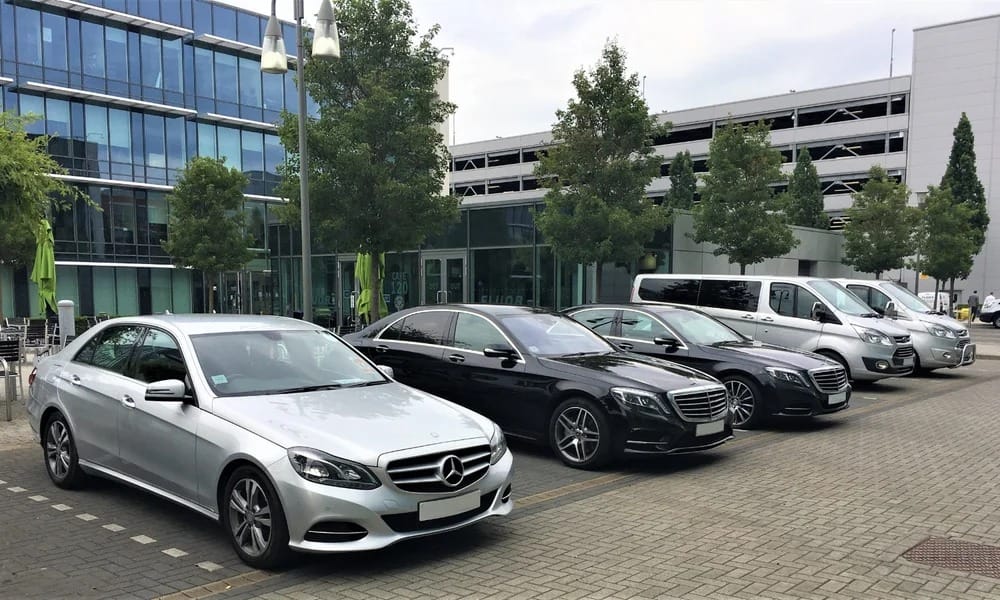
Armoured transport suits high-threat environments. It provides physical protection and deterrence. Discreet transport minimizes attention in low-risk settings. Each approach has advantages and limitations. Hybrid strategies offer flexibility. The choice depends on risk assessment and executive preference.
Why Choose Golden Minibuses for VIP Executive Transport?
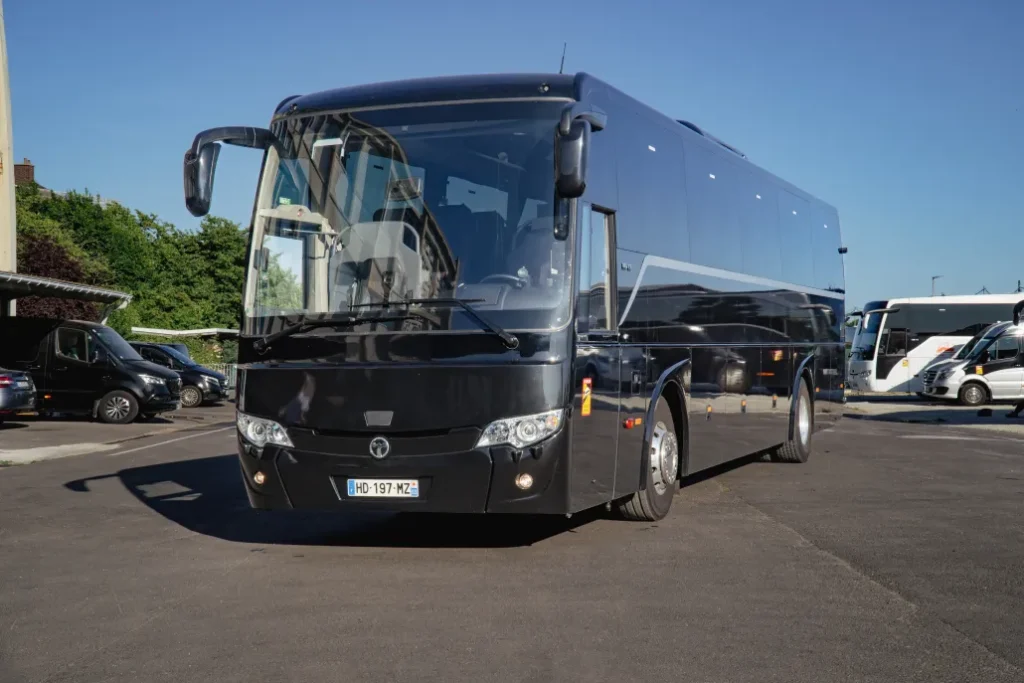
Golden Minibuses offer a perfect balance of luxury, safety, and reliability for high-profile executive travel. These vehicles are designed with spacious interiors, premium seating, and advanced comfort features that support stress-free journeys. From a safety perspective, Golden Minibuses are maintained to strict standards and equipped with modern braking, stability, and monitoring systems. They are ideal for transporting executive teams securely without compromising discretion. Professional chauffeurs trained in VIP and defensive driving further enhance passenger protection. For corporate events, airport transfers, and executive group travel, Golden Minibuses deliver consistent performance and peace of mind.
Other Related Articles You Might Be Interested In
- https://goldenminibuses.co.uk/why-16-seater-minibus-hire-is-ideal-for-group-trips-events/
- https://goldenminibuses.co.uk/how-to-choose-reliable-corporate-event-transportation/
- https://goldenminibuses.co.uk/minibus-rental-with-driver-guide/
- https://goldenminibuses.co.uk/whats-included-in-a-business-travel-coach-hire-service/
Conclusion
VIP transport is safe when executed professionally and strategically. Safety relies on trained personnel, secure vehicles, and intelligent planning. Layered protection reduces both probability and impact of threats. Executives and organizations must treat transport as a security priority. With the right systems in place, VIP transport offers reliable protection. Proactive planning ensures confidence and continuity.
FAQs
1. Is VIP transport safer than regular luxury transport?
Yes, VIP transport includes security planning, trained drivers, and risk mitigation, unlike standard luxury services.
2. Do all executives need armoured vehicles?
No, armoured vehicles are only necessary for high-risk profiles or environments.
3. How important is driver training in VIP transport?
Driver training is critical and directly impacts safety and emergency response.
4. Can VIP transport operate discreetly?
Yes, low-profile VIP transport minimizes attention while maintaining security.
5. Is VIP transport worth the cost?
Yes, the cost is justified when compared to potential safety, reputational, and business risks.